




Key Takeaways
- RSIs occur from repetitive motion or overuse of muscles, tendons, or nerves.
- Early recognition and ergonomic adjustments prevent worsening symptoms.
- Targeted treatment and mindful habits support long-term recovery and comfort.
Constant typing, gripping, or repetitive motion can quietly wear down your muscles, tendons, and nerves. Over time, these repeated actions can lead to discomfort that limits your movement and focus. Repetitive strain injuries (RSIs) develop when overuse or poor posture causes small but persistent damage to soft tissues, resulting in pain, stiffness, or weakness.
You might notice aching wrists after long hours at a keyboard or numbness in your fingers after using tools or devices. These signs often start mild but can worsen if ignored. Recognizing early symptoms and adjusting how you work or move can prevent lasting problems and support faster recovery.
Understanding what triggers RSIs helps you take control of your health and performance. By learning proper ergonomics, pacing your activities, and following effective treatment strategies, you can reduce pain and restore strength before it interferes with daily life.
Contents
1. Key Symptoms of Repetitive Strain Injuries
- Pain and Tenderness
- Numbness, Tingling, and Weakness
- Stiffness, Swelling, and Throbbing
- Cramp and Reduced Mobility
2. Primary Causes and Risk Factors
- Repetitive Movements and Overuse
- Poor Posture and Ergonomics
- Occupational and Lifestyle Risks
- Previous Injuries and Physical Condition
3. Common Types and Related Conditions
- Carpal Tunnel Syndrome
- Tendinitis, Tendinopathy, and Tenosynovitis
- Bursitis and Tennis Elbow
- Nerve Compression and Soft Tissue Disorders
Key Symptoms of Repetitive Strain Injuries
Repetitive strain injuries (RSI) often develop gradually, starting with mild discomfort that can progress to persistent pain and functional limitations. Recognizing early signs such as pain, numbness, stiffness, or weakness helps you take action before the condition worsens.

Pain and Tenderness
Pain is usually the first and most noticeable symptom of RSI. You may feel a dull ache, sharp pain, or burning sensation in the affected area, often the wrists, hands, forearms, shoulders, or neck. The discomfort can increase during repetitive tasks like typing, lifting, or gripping.
Tenderness often appears when you press on the affected muscles or tendons. This sensitivity indicates inflammation or microscopic tissue damage from overuse.
Pain may also persist at rest if the strain continues over time.
Tracking when and where pain occurs helps identify aggravating activities. Applying ice, adjusting posture, or using ergonomic tools may reduce strain and tenderness. If pain interferes with daily activities, a healthcare provider can assess for tendonitis or nerve involvement.
Numbness, Tingling, and Weakness
Numbness and tingling often signal nerve irritation or compression. You might notice these sensations in your fingers, hands, or forearms, especially after long periods of repetitive movement. The feeling can resemble “pins and needles” or temporary loss of sensation.
Weakness may follow as muscles fatigue or nerves become impaired. Tasks like gripping a pen, holding a phone, or lifting light objects can become difficult.
These symptoms often worsen at night or after extended work sessions.
Consistent numbness or weakness may indicate conditions such as carpal tunnel syndrome or ulnar nerve entrapment. Early evaluation and ergonomic changes—such as adjusting keyboard height or wrist position—can help prevent permanent nerve damage.
Stiffness, Swelling, and Throbbing
Stiffness limits your normal range of motion, making it harder to bend or stretch affected joints. It often occurs after rest periods, such as in the morning or after sitting still for a long time.
This stiffness can reduce coordination and make repetitive tasks more difficult.
Swelling around joints or tendons is a visible sign of inflammation. The area may feel warm or look slightly puffy.
Throbbing pain can accompany swelling, especially after prolonged activity.
You can manage these symptoms by alternating tasks, taking regular breaks, and using cold compresses to control inflammation. Gentle stretching and physical therapy also help restore flexibility and circulation.
Cramp and Reduced Mobility
Cramp occurs when muscles tighten involuntarily, often during or after repetitive activity. It can cause sudden, sharp pain that forces you to stop moving. Frequent cramps may indicate muscle fatigue or poor blood flow from sustained tension.
Reduced mobility follows when pain, stiffness, or cramping restricts normal motion. You might find it hard to rotate your wrist, extend your fingers, or lift your arm fully.
This limitation can interfere with work performance and daily routines.
To restore mobility, focus on proper posture, regular stretching, and ergonomic adjustments. Strengthening exercises and rest periods can reduce muscle fatigue and prevent recurrence of cramping or restricted movement.
Primary Causes and Risk Factors
Repetitive strain injuries develop when muscles, tendons, and nerves experience more stress than they can recover from. The main contributors include repeated movements, poor posture, inadequate ergonomics, and pre-existing physical conditions that reduce your body’s ability to heal and adapt.

Repetitive Movements and Overuse
You place your body at risk for overuse injuries when you perform the same motion repeatedly without enough rest. Typing, using a mouse, or playing a musical instrument can strain small muscle groups in your hands, wrists, and forearms. Over time, this leads to inflammation and microtears in tendons and soft tissues.
Even light tasks become harmful when done continuously. For example, musicians and assembly line workers often develop pain from subtle, repeated motions. Frequent breaks, stretching, and alternating tasks help reduce cumulative stress.
| Activity: Keyboard typing | |
|---|---|
| Affected Areas | Wrists, fingers |
| Example Conditions | Carpal tunnel syndrome |
| Activity: Playing instruments | |
|---|---|
| Affected Areas | Hands, forearms |
| Example Conditions | Tendinitis |
| Activity: Manual labor | |
|---|---|
| Affected Areas | Shoulders, elbows |
| Example Conditions | Bursitis |
Poor Posture and Ergonomics
Poor posture increases strain on muscles and joints, especially when maintained for long periods. Sitting with rounded shoulders or bent wrists while typing can compress nerves and restrict blood flow. These small misalignments add up, producing pain and stiffness in the neck, shoulders, and upper back.
A proper posture keeps your joints in neutral positions. Your monitor should be at eye level, and your keyboard should allow your wrists to stay straight. An ergonomic workstation can reduce pressure points and help distribute effort evenly across muscle groups.
Adjust chair height, support your lower back, and keep your feet flat on the floor. These small changes prevent unnecessary tension and help your body move more efficiently.
Occupational and Lifestyle Risks
Your work environment and daily habits often determine your exposure to repetitive strain. Jobs that require constant typing, tool use, or scanning motions carry higher risk. Office workers, factory employees, and musicians are especially vulnerable due to repetitive tasks and limited recovery time.
Outside work, hobbies such as gaming, knitting, or gardening can also contribute. Long hours without rest or poor technique amplify strain. Employers and individuals can lower risk through task rotation, scheduled breaks, and education on proper body mechanics.
| Risk Factor: Repetitive manual work | |
|---|---|
| Example Occupation | Assembly line worker |
| Prevention Tip | Alternate hands or tools |
| Risk Factor: Static posture | |
|---|---|
| Example Occupation | Office employee |
| Prevention Tip | Stand and stretch hourly |
| Risk Factor: Fine motor activity | |
|---|---|
| Example Occupation | Violinist |
| Prevention Tip | Warm up before practice |
Previous Injuries and Physical Condition
If you have a history of joint or tendon injuries, you may face higher susceptibility to RSI. Damaged tissues often recover more slowly and tolerate less repetitive stress. Chronic conditions like arthritis, diabetes, or thyroid disorders can further impair healing and nerve function.
Your physical condition also influences risk. Weak muscles, poor flexibility, and reduced endurance make it harder to maintain proper posture during repetitive tasks. Strengthening supporting muscles and improving mobility can protect vulnerable areas.
Lifestyle factors such as smoking, obesity, and inactivity reduce circulation and tissue recovery. Maintaining general fitness, staying hydrated, and addressing old injuries early help your body withstand repetitive demands more effectively.
Common Types and Related Conditions
Repetitive strain injuries often involve the muscles, tendons, and nerves that handle frequent motion or sustained posture. These conditions can affect your ability to work, exercise, and perform daily activities if not addressed early.

Carpal Tunnel Syndrome
Carpal tunnel syndrome develops when the median nerve becomes compressed as it passes through the narrow carpal tunnel in your wrist. You may feel numbness, tingling, or weakness in your thumb, index, and middle fingers.
The condition often affects people who type, use vibrating tools, or perform repetitive hand motions. Early symptoms may come and go, but persistent pressure on the nerve can lead to lasting weakness.
Treatment usually involves wrist splints, activity modification, and ergonomic adjustments. In more severe cases, corticosteroid injections or surgical decompression may relieve pressure and restore function.
| Symptom: Tingling or numbness in fingers | |
|---|---|
| Typical Treatments | Wrist splinting |
| Symptom: Weak grip strength | |
|---|---|
| Typical Treatments | Physical therapy |
| Symptom: Pain at night | |
|---|---|
| Typical Treatments | Surgery (if severe) |
Tendinitis, Tendinopathy, and Tenosynovitis
These conditions involve inflammation or degeneration of tendons, the tissues that connect muscle to bone. Tendinitis refers to acute inflammation, while tendinopathy describes chronic tendon damage without much inflammation. Tenosynovitis affects the sheath surrounding a tendon.
You might notice pain, stiffness, or swelling near joints such as the shoulder, elbow, or wrist. Repetitive motion, poor posture, or inadequate rest between activities often cause these problems.
Managing these conditions requires rest, ice, and gradual stretching. A physical therapist can help you strengthen supporting muscles and improve movement patterns. In chronic cases, doctors may recommend ultrasound therapy, platelet-rich plasma injections, or other targeted treatments.
Bursitis and Tennis Elbow
Bursitis occurs when the small fluid-filled sacs (bursae) that cushion joints become irritated. It often affects the shoulder, elbow, or hip. Pain and swelling worsen with movement or pressure on the affected area.
Tennis elbow, or lateral epicondylitis, is a form of tendinopathy involving the outer elbow. It results from repetitive wrist extension or gripping activities. You may feel pain radiating from the elbow down the forearm.
Treatment focuses on reducing inflammation and correcting movement patterns. Rest, ice, and nonsteroidal anti-inflammatory drugs (NSAIDs) can help. Physical therapy, ergonomic adjustments, and supportive braces often speed recovery.
Nerve Compression and Soft Tissue Disorders
Nerve compression syndromes, such as ulnar nerve entrapment or thoracic outlet syndrome, occur when nerves are pinched by surrounding muscles, ligaments, or bones. Symptoms include pain, tingling, or weakness in the affected limb.
Soft tissue disorders involve muscles, fascia, and connective tissues that become tight or inflamed from overuse. These conditions can restrict motion and cause persistent discomfort.
You can reduce risk by maintaining neutral joint positions, taking regular breaks, and performing gentle stretching. Medical evaluation may include nerve conduction studies or imaging to identify the source of compression. Treatment often combines therapy, ergonomic correction, and strengthening exercises to restore normal nerve and tissue function.
Diagnosis and Assessment
Accurate diagnosis helps you identify the source of repetitive strain injuries and rule out other conditions that may cause similar pain or weakness. Evaluation often involves reviewing your activity patterns, examining affected areas, and using imaging or nerve tests to confirm tissue or nerve involvement.

Medical History and Physical Examination
Your doctor begins by taking a detailed medical history to understand when symptoms started, what movements cause discomfort, and how severe the pain feels. You should describe your work habits, hobbies, and any repetitive motions you perform daily.
During the physical examination, the clinician checks for swelling, tenderness, reduced range of motion, and muscle weakness. They may ask you to move or resist pressure to pinpoint which tendons or nerves are affected.
A table can help clarify what is typically assessed:
| Area Examined: Joints and tendons | |
|---|---|
| What It Reveals | Signs of inflammation or overuse |
| Area Examined: Muscle strength | |
|---|---|
| What It Reveals | Weakness from disuse or nerve irritation |
| Area Examined: Range of motion | |
|---|---|
| What It Reveals | Stiffness or pain during movement |
These findings guide whether further tests are needed to confirm the diagnosis or rule out conditions like arthritis or ligament injury.
Imaging and Nerve Function Tests
If symptoms persist or the cause remains unclear, your doctor may order imaging or nerve function tests. X-rays help exclude fractures or joint damage. MRI and ultrasound scans reveal soft tissue changes such as tendon inflammation or small tears.
When nerve involvement is suspected, nerve conduction studies (NCS) and electromyography (EMG) measure how well electrical signals travel through your nerves and muscles.
These tests identify whether compression, irritation, or damage is affecting nerve pathways. Results from imaging and nerve studies help your doctor design a treatment plan targeted to the exact structure causing your pain.
Effective Treatment Strategies
Addressing repetitive strain injuries requires a structured plan that reduces pain, restores movement, and prevents future strain. You can combine rest, medication, and targeted therapies to relieve symptoms while supporting long-term recovery and joint health.

Rest, Pain Management, and Medication
You should first minimize or stop the activity that causes pain. Short rest periods help reduce inflammation and prevent further tissue damage. Avoid complete inactivity for long periods, as it can lead to stiffness and weakness.
For pain control, NSAIDs such as ibuprofen or naproxen reduce inflammation and discomfort. Paracetamol (acetaminophen) can help manage mild pain when anti-inflammatory drugs are unsuitable. In some cases, your doctor may recommend stronger painkillers for short-term relief.
Use heat or cold packs to ease muscle tension and swelling. Cold therapy reduces inflammation, while heat improves blood flow and relaxation. Maintaining good posture and using ergonomic tools further reduces daily strain on affected muscles and joints.
Physical Therapy and Exercise
Physical therapy focuses on restoring flexibility, strength, and endurance in affected muscles and tendons. A therapist can guide you through controlled exercise routines that target weak or overused areas.
Stretching exercises improve joint mobility, while strengthening movements stabilize the surrounding muscles. You might perform gentle wrist curls, finger stretches, or shoulder rolls depending on the affected region.
Therapists often teach you how to modify your work setup or movement patterns to avoid repetitive stress. Regular sessions, combined with consistent home exercises, can shorten recovery time and lower the risk of recurrence.
Manual and Ultrasound Therapy
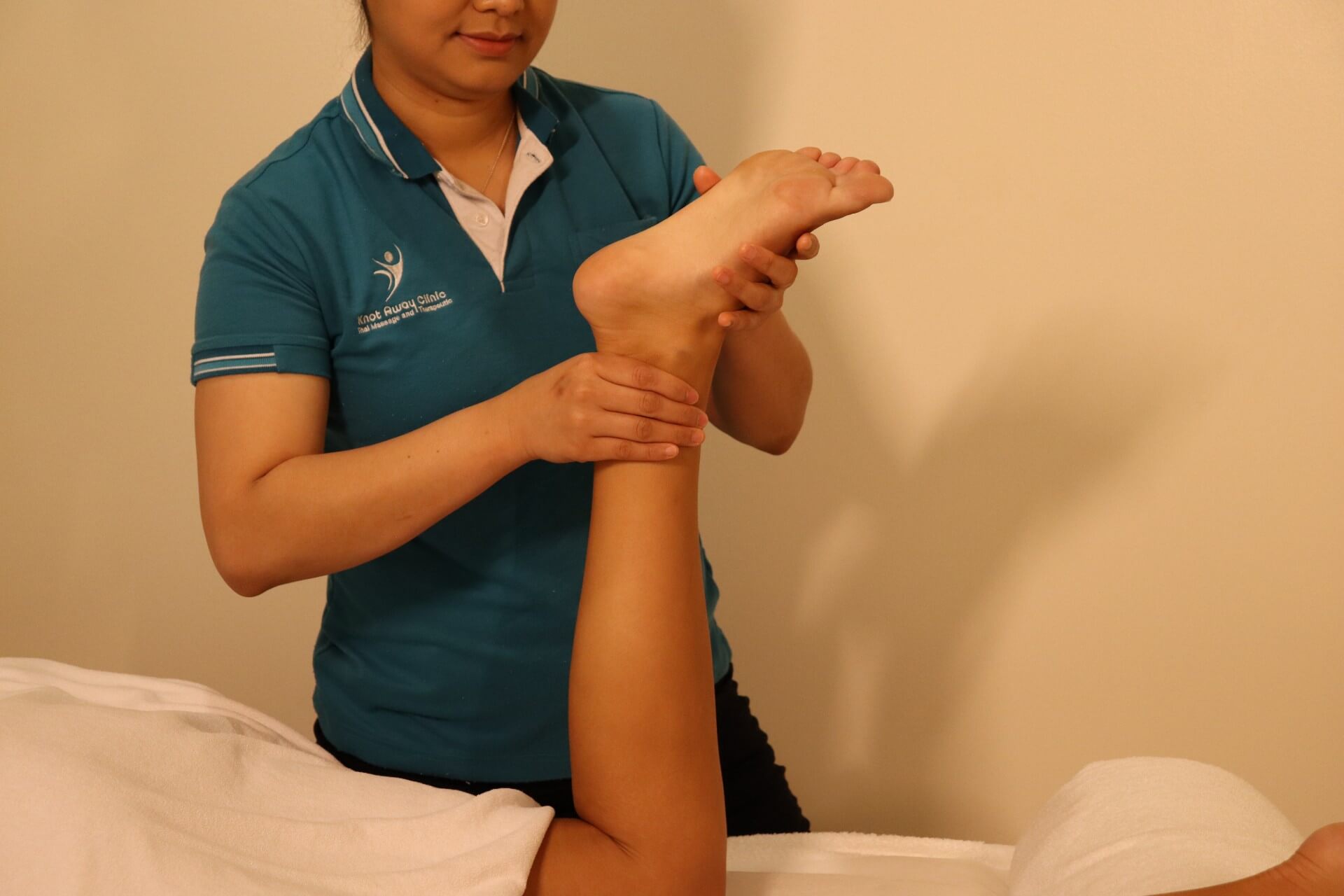
Manual therapy involves hands-on techniques such as soft tissue massage, joint mobilization, and myofascial release. These methods improve blood circulation, reduce muscle tightness, and relieve tension around irritated tendons.
Ultrasound therapy uses sound waves to stimulate deep tissues. It promotes healing by increasing circulation and reducing inflammation in affected muscles and tendons.
Some clinics may also use TENS (transcutaneous electrical nerve stimulation) to manage pain. This technique delivers mild electrical impulses through the skin to block pain signals and encourage endorphin release. Combined manual and ultrasound therapy can enhance flexibility and comfort when performed by a qualified professional.
Steroid Injections and Advanced Interventions
When conservative treatments fail, steroid injections may help reduce severe inflammation. A corticosteroid is injected directly into the affected tendon or joint to relieve pain and swelling. This option is usually reserved for persistent or advanced cases.
You should limit the number of injections, as repeated use can weaken tissues over time. Discuss potential risks and benefits with your healthcare provider.
In rare cases, advanced interventions such as minimally invasive procedures or surgery may be necessary to repair damaged tendons or release compressed nerves. These options are considered only after other treatments have been fully explored.
Prevention, Recovery, and Workplace Solutions
Preventing and recovering from repetitive strain injuries requires steady attention to body mechanics, work habits, and early symptom management. You can reduce strain by improving workstation ergonomics, seeking professional guidance, and adopting consistent self-care routines.

Ergonomic Adjustments and Proper Posture
Your workstation setup directly affects how much stress your muscles and joints endure. An ergonomic workstation aligns your body naturally, reducing tension in the neck, shoulders, and wrists. Keep your monitor at eye level, elbows close to your sides, and wrists in a neutral position.
Use a chair that supports your lower back and allows both feet to rest flat on the floor. Adjust the keyboard and mouse so your forearms remain parallel to the ground.
Take short breaks every 30–45 minutes to stretch and change position. Even a brief pause helps relax overused muscles and prevent stiffness.
| Adjustment: Monitor at eye level | |
|---|---|
| Benefit | Reduces neck strain |
| Adjustment: Neutral wrist position | |
|---|---|
| Benefit | Prevents tendon irritation |
| Adjustment: Supportive chair | |
|---|---|
| Benefit | Maintains spinal alignment |
| Adjustment: Frequent micro-breaks | |
|---|---|
| Benefit | Improves circulation and comfort |
Workplace Interventions and Occupational Health
Workplace design and culture play a major role in RSI prevention. Employers should provide ergonomic assessments, adjustable desks, and training on safe movement techniques. These steps align with occupational health guidelines that aim to protect employees from repetitive motion injuries.
Encourage open communication about discomfort before it becomes severe. Reporting early symptoms allows for quick adjustments and reduces the risk of chronic pain.
Scheduled rotation of tasks and the use of assistive tools, such as wrist supports or anti-fatigue mats, can further reduce strain. When employers prioritize ergonomics, productivity and worker well-being often improve together.
Role of Occupational and Physical Therapists
An occupational therapist helps you modify daily tasks and work habits to reduce repetitive stress. They can assess your job setup, recommend adaptive equipment, and teach joint-protection techniques that fit your routine.
A physiotherapist focuses on restoring strength, flexibility, and range of motion. They may use manual therapy, targeted exercises, and gradual load progression to support recovery.
Both professionals work collaboratively to design a plan that fits your condition and job demands. Consistent follow-up ensures that improvements are maintained and that you avoid re-injury as you return to normal activity.
Lifestyle Changes and Long-Term Management
Your daily habits outside of work influence how well you recover from RSI. Regular stretching, balanced exercise, and adequate rest help muscles and tendons heal. Focus on low-impact activities such as swimming or walking to maintain circulation without overloading joints.
Maintain proper posture during hobbies and household chores, not just at work. Use supportive devices like wrist braces only as directed to avoid dependency.
Stay aware of recurring pain or numbness and seek medical advice promptly. Early attention, combined with consistent ergonomic and lifestyle practices, supports long-term comfort and function.
 Book Now
 Buy Gift Card