



Key Takeaways
- Rotator cuff tendinopathy causes shoulder pain from tendon irritation or strain.
- Early recognition and proper care reduce pain and restore movement.
- Active recovery and prevention strategies support long-term shoulder health.
Shoulder pain can make even simple tasks—like reaching for a shelf or lifting a bag—feel frustrating. When that pain lingers and limits your movement, rotator cuff tendinopathy may be the cause. Rotator cuff tendinopathy happens when the tendons around your shoulder become irritated or weakened from overuse, strain, or gradual wear, leading to pain and stiffness that affect daily life.
You often notice discomfort when lifting your arm, reaching overhead, or sleeping on the affected side. The pain may start as a dull ache and progress to sharp discomfort if ignored. Understanding why it develops helps you take effective steps toward recovery instead of letting it worsen.
With the right approach—rest, guided exercises, and gradual strengthening—you can restore shoulder function and prevent future flare-ups. Learning how to manage symptoms early gives you control over your recovery and keeps your shoulder strong for the long term.
Contents
1. Understanding Rotator Cuff Tendinopathy
- What Is Rotator Cuff Tendinopathy?
- Difference Between Tendinopathy and Tendonitis
- Anatomy of the Rotator Cuff
2. Common Symptoms and Clinical Presentation
3. Primary Causes and Risk Factors
- Repetitive Movements and Overuse
- Role of Poor Posture and Biomechanics
- Age-Related Degeneration
- Sports and Occupational Risks
4. Diagnosis and Assessment Methods
Understanding Rotator Cuff Tendinopathy
Rotator cuff tendinopathy develops when the shoulder’s tendon fibers weaken or degenerate, leading to pain, stiffness, and reduced movement. It often results from repetitive overhead activity or age-related changes in the shoulder tendons that attach muscle to bone.

What Is Rotator Cuff Tendinopathy?
Rotator cuff tendinopathy refers to the breakdown or irritation of the rotator cuff tendons that stabilize your shoulder joint. These tendons connect the shoulder muscles to the humeral head, helping you lift and rotate your arm.
You may feel a dull ache deep in your shoulder, especially when reaching overhead, lifting, or lying on the affected side. Pain sometimes extends down the upper arm. In early stages, discomfort may appear only after activity, but it can progress to constant pain if untreated.
Common causes include repetitive strain, poor posture, muscle imbalance, and reduced blood flow to the tendon tissue. Over time, the tendon’s collagen fibers lose strength and elasticity, making them more prone to microtears.
| Typical Symptoms: Shoulder pain | |
|---|---|
| Description | Dull, aching pain worsened by overhead movement |
| Typical Symptoms: Weakness | |
|---|---|
| Description | Difficulty lifting or rotating the arm |
| Typical Symptoms: Tenderness | |
|---|---|
| Description | Soreness over the outer shoulder or upper arm |
| Typical Symptoms: Stiffness | |
|---|---|
| Description | Reduced range of motion, especially after rest |
Difference Between Tendinopathy and Tendonitis
The terms tendinopathy and tendonitis are often used interchangeably, but they describe different processes. Tendonitis refers to acute inflammation of a tendon, often following a short-term injury or overuse episode. It usually involves swelling, warmth, and pain that improves with rest and anti-inflammatory treatment.
Tendinopathy, however, represents a chronic degenerative condition rather than active inflammation. The tendon fibers become disorganized and thickened due to repetitive stress or aging. This degeneration weakens the tendon’s structure, making recovery slower and more complex.
In rotator cuff injuries, most persistent shoulder pain stems from tendinopathy rather than true tendonitis. Recognizing this difference helps guide treatment—tendinopathy responds better to progressive loading exercises and rehabilitation than to rest alone.
Anatomy of the Rotator Cuff
The rotator cuff consists of four muscles and their tendons that surround your shoulder joint:
- Supraspinatus – Lifts your arm away from the body.
- Infraspinatus – Rotates your arm outward.
- Teres minor – Assists external rotation and stabilization.
- Subscapularis – Rotates your arm inward and supports joint stability.
These muscles work together to keep the humeral head centered within the shoulder socket (glenoid) during movement. When one tendon weakens, the shoulder loses balance and smooth motion, increasing strain on surrounding tissues.
Understanding this anatomy helps you see why small tendon changes can cause significant pain and limit daily activities such as reaching, lifting, or dressing. Strengthening and coordinating these muscles are key steps in recovery from rotator cuff tendinopathy.
Common Symptoms and Clinical Presentation
Rotator cuff tendinopathy often develops gradually, producing shoulder pain, weakness, and stiffness that interfere with arm movement. You may notice discomfort during specific motions or while resting, especially when sleeping on the affected side.

Typical Signs and Symptoms
You usually feel dull, aching pain deep in the shoulder joint. This pain often worsens when you lift your arm overhead, reach behind your back, or perform repetitive motions.
Tenderness often appears over the outer shoulder, near the deltoid region. Some people also report mild swelling or a clicking sensation when moving the arm.
Common features include:
- Pain location: Front or side of the shoulder
- Pain pattern: Increases with activity, decreases with rest
- Weakness: Difficulty lifting or rotating the arm
- Night pain: Discomfort when lying on the affected side
These signs reflect inflammation and small tendon changes typical of rotator cuff tendinitis or early degenerative tendinopathy.
How Symptoms Progress Over Time
In the early stage, pain may appear only after heavy or repetitive shoulder use. You might still perform daily tasks without major limitations.
As the condition advances, inflammation and microtears in the tendon can cause constant pain, even at rest. Weakness and stiffness gradually reduce range of motion.
Without proper management, the shoulder joint may lose flexibility, and compensatory movement patterns can strain nearby muscles. A summary of progression:
| Stage: Early | |
|---|---|
| Symptom Pattern | Mild pain after activity |
| Functional Effect | Minimal limitation |
| Stage: Intermediate | |
|---|---|
| Symptom Pattern | Pain during activity and rest |
| Functional Effect | Noticeable weakness |
| Stage: Chronic | |
|---|---|
| Symptom Pattern | Persistent pain, stiffness |
| Functional Effect | Limited motion and endurance |
Impact on Daily Activities
Rotator cuff tendinopathy can make simple actions uncomfortable. You may struggle to comb your hair, dress, or reach overhead shelves.
Pain can interrupt sleep, especially if you roll onto the sore side. Over time, you might unconsciously avoid using the affected arm, leading to muscle imbalance and further stiffness.
Tasks that involve lifting, pushing, or carrying become harder. Even light activities like typing or cooking may trigger shoulder discomfort. Addressing these limitations early helps you maintain normal function and prevent long-term restriction.
Primary Causes and Risk Factors
Rotator cuff tendinopathy often develops from a combination of mechanical stress, biological aging, and repetitive strain on the shoulder. You can reduce your risk by understanding how daily activities, posture, and occupational demands affect the rotator cuff tendons and surrounding shoulder structures.

Repetitive Movements and Overuse
Frequent or forceful shoulder movements can irritate the rotator cuff tendons. When you lift, throw, or reach overhead repeatedly, the tendons rub against the surrounding structures in the subacromial space, causing microtears and inflammation.
Overuse injuries often occur in jobs or sports that rely on repetitive arm motions—such as painting, swimming, or tennis. The tendons do not get enough time to recover between activities, leading to gradual wear.
You can prevent overuse-related strain by balancing activity with rest, using proper technique, and maintaining shoulder muscle endurance. Strengthening the rotator cuff and scapular stabilizers helps distribute load more evenly across the shoulder joint.
Role of Poor Posture and Biomechanics
Poor posture, such as rounded shoulders or a forward head position, can narrow the subacromial space and increase pressure on the rotator cuff tendons. Over time, this alignment problem alters shoulder mechanics and limits smooth movement of the humeral head.
When your shoulder blade tilts forward or rotates incorrectly, the tendons may become pinched during arm elevation. This repetitive impingement contributes to tendon irritation and shoulder pain.
Improving posture through ergonomic adjustments and targeted exercises can reduce strain. Focus on strengthening the upper back and stretching the chest muscles to restore balanced shoulder positioning and efficient movement patterns.
Age-Related Degeneration
As you age, the blood supply to the rotator cuff tendons decreases, and the tendon fibers lose elasticity. This natural degeneration weakens the tissue and makes it more prone to microtears, even with normal use.
Research shows that individuals over 50 years have a significantly higher risk of developing rotator cuff tendinopathy. Age-related changes also slow the healing process after minor injuries, allowing small tendon defects to progress over time.
You can support tendon health by staying active, maintaining shoulder strength, and managing conditions like diabetes, which further impair tendon quality and healing capacity.
Sports and Occupational Risks
Certain sports and occupations place repetitive or sustained loads on the shoulder. Activities involving overhead motion—such as baseball, volleyball, and swimming—demand high levels of rotator cuff activation and control.
In the workplace, tasks that require lifting, reaching, or working with your arms above shoulder height increase stress on the shoulder muscles and tendons. Studies link overhead work with more than double the risk of rotator cuff tendinopathy.
Using proper technique, pacing activity, and incorporating rest periods can help you protect your shoulder. Ergonomic tools and supportive equipment can also reduce the repetitive strain that contributes to tendon overload.
Diagnosis and Assessment Methods
Accurate diagnosis of rotator cuff tendinopathy depends on identifying the specific tendon involved, evaluating shoulder joint function, and ruling out other shoulder disorders. You benefit most from a structured approach that includes a targeted physical exam, appropriate imaging, and careful differentiation from related conditions.

Physical Examination
Your evaluation begins with a detailed history of pain onset, activity level, and functional limitations. Clinicians assess how your shoulder responds to movement and resistance to pinpoint the affected tendon.
Common tests include the Jobe (empty can) test for the supraspinatus and the external rotation resistance test for the infraspinatus. Pain or weakness during these maneuvers often indicates tendinopathy rather than a complete tear.
Palpation along the rotator cuff tendons helps identify tenderness or swelling. Range of motion (ROM) testing measures flexibility and joint integrity, while strength testing isolates specific muscle deficits.
A table may help track findings:
| Test: Jobe Test | |
|---|---|
| Target Tendon | Supraspinatus |
| Common Finding | Pain or weakness |
| Test: External Rotation Resistance | |
|---|---|
| Target Tendon | Infraspinatus |
| Common Finding | Pain or loss of strength |
| Test: Lift-Off Test | |
|---|---|
| Target Tendon | Subscapularis |
| Common Finding | Difficulty with internal rotation |
These results guide whether imaging is necessary for confirmation.
Imaging Techniques
When physical findings are unclear or symptoms persist, imaging clarifies the extent of tendon involvement. Ultrasound provides a dynamic view of tendon structure and detects partial tears or inflammation. It is cost-effective and allows real-time assessment during movement.
Magnetic Resonance Imaging (MRI) offers detailed visualization of the rotator cuff, bursa, and shoulder joint. MRI helps distinguish between tendinopathy, partial tears, and full-thickness ruptures. It also reveals associated issues such as bursitis or labral changes.
In some cases, X-rays identify bone spurs or calcific deposits that may contribute to tendon irritation. Imaging results are interpreted alongside clinical findings to confirm diagnosis and guide treatment planning.
Differential Diagnosis
You may experience shoulder pain from several overlapping conditions. Differentiating rotator cuff tendinopathy from rotator cuff tears, adhesive capsulitis, or subacromial impingement prevents mismanagement.
Clinicians consider symptom patterns: tendinopathy causes activity-related pain and mild weakness, while a full tear often leads to significant strength loss. Adhesive capsulitis limits both active and passive motion, unlike tendinopathy.
Other causes such as cervical radiculopathy or acromioclavicular joint disorders can mimic similar pain patterns. Careful comparison of physical findings, imaging results, and your symptom history ensures accurate identification and appropriate care.
Evidence-Based Recovery and Treatment Options
Effective recovery from rotator cuff tendinopathy requires a structured plan that reduces pain, restores shoulder strength, and prevents re-injury. You can combine rest, progressive exercise, and targeted therapies to promote tendon healing and improve shoulder function.

Rest and Pain Management
You should first reduce activities that aggravate pain, such as overhead lifting or repetitive shoulder motions. Short-term rest helps calm inflammation, but complete immobilization can weaken shoulder muscles. Use rest strategically while maintaining gentle movement within a pain-free range.
Cold therapy can help decrease pain and swelling during the acute phase. Apply ice for 15–20 minutes several times daily. Over-the-counter nonsteroidal anti-inflammatory drugs (NSAIDs) may also help manage discomfort when used as directed.
Sleep position matters. Try lying on the opposite side of the affected shoulder with a small pillow supporting your arm. This position minimizes strain on the supraspinatus tendon and reduces nighttime pain.
If pain persists beyond a few weeks, seek medical evaluation to rule out partial tears or bone spurs that may require additional care.
Rehabilitation Exercises
Exercise-based rehabilitation forms the foundation of recovery. You should focus on restoring shoulder mobility first, then gradually add strengthening exercises for the rotator cuff and scapular stabilizers.
Start with pendulum swings and gentle range-of-motion drills to maintain joint flexibility. As pain decreases, progress to isometric exercises such as gentle external and internal rotations against a wall.
Later, use elastic resistance bands or light weights to strengthen the supraspinatus, infraspinatus, and subscapularis muscles. Perform 2–3 sets of 10–15 repetitions, avoiding sharp pain.
| Goal: Mobility | |
|---|---|
| Example Exercise | Pendulum swings |
| Frequency | Daily |
| Goal: Strength | |
|---|---|
| Example Exercise | External rotation with band |
| Frequency | 3–4x per week |
| Goal: Endurance | |
|---|---|
| Example Exercise | Scaption raises |
| Frequency | 3x per week |
Consistency matters more than intensity. Gradual loading encourages tendon adaptation and reduces the risk of re-injury.
Manual Therapy and Injections
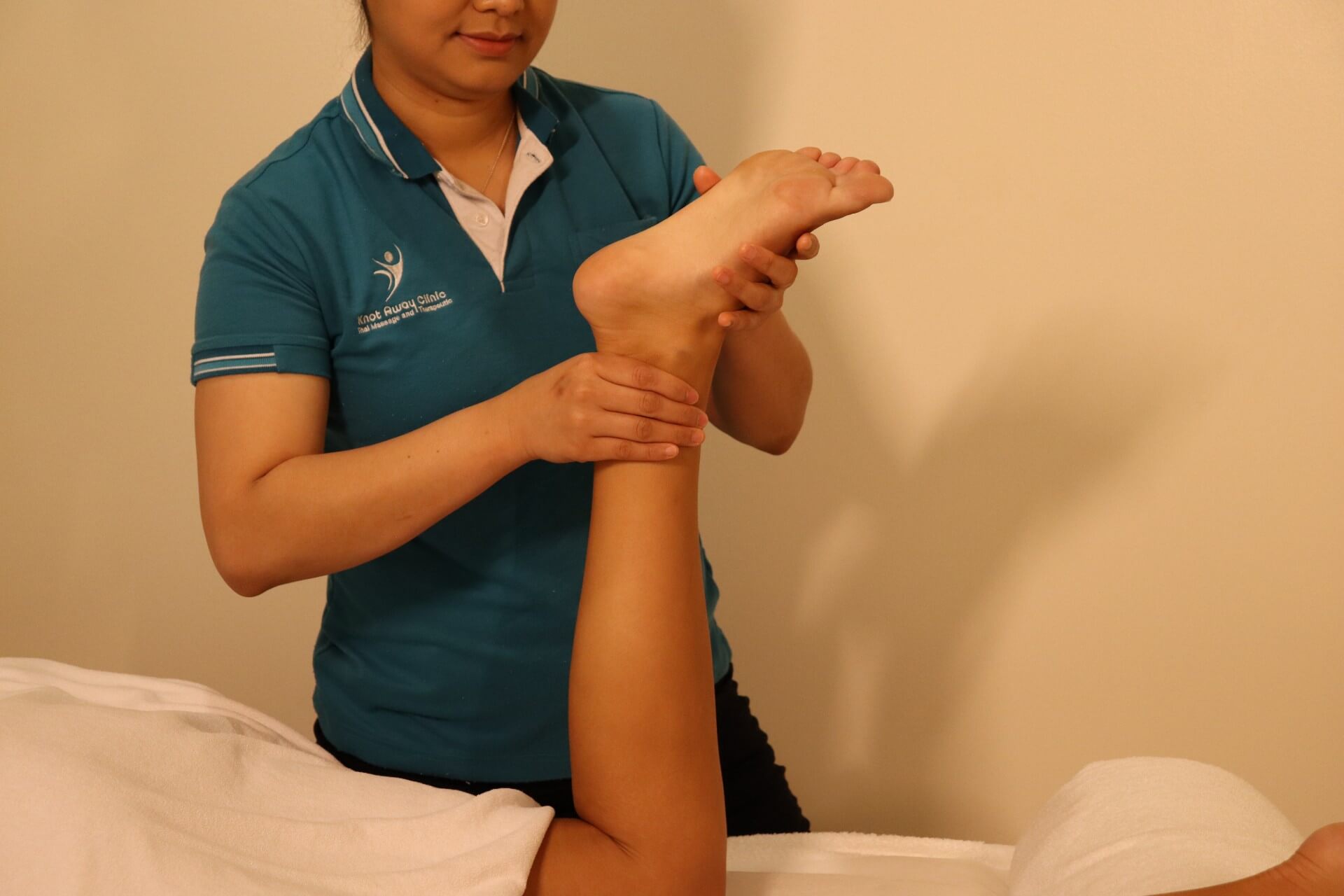
Manual therapy techniques, such as soft tissue mobilization and joint glides, can reduce stiffness and improve movement quality. A physical therapist may use these methods to address tightness in surrounding shoulder and neck muscles.
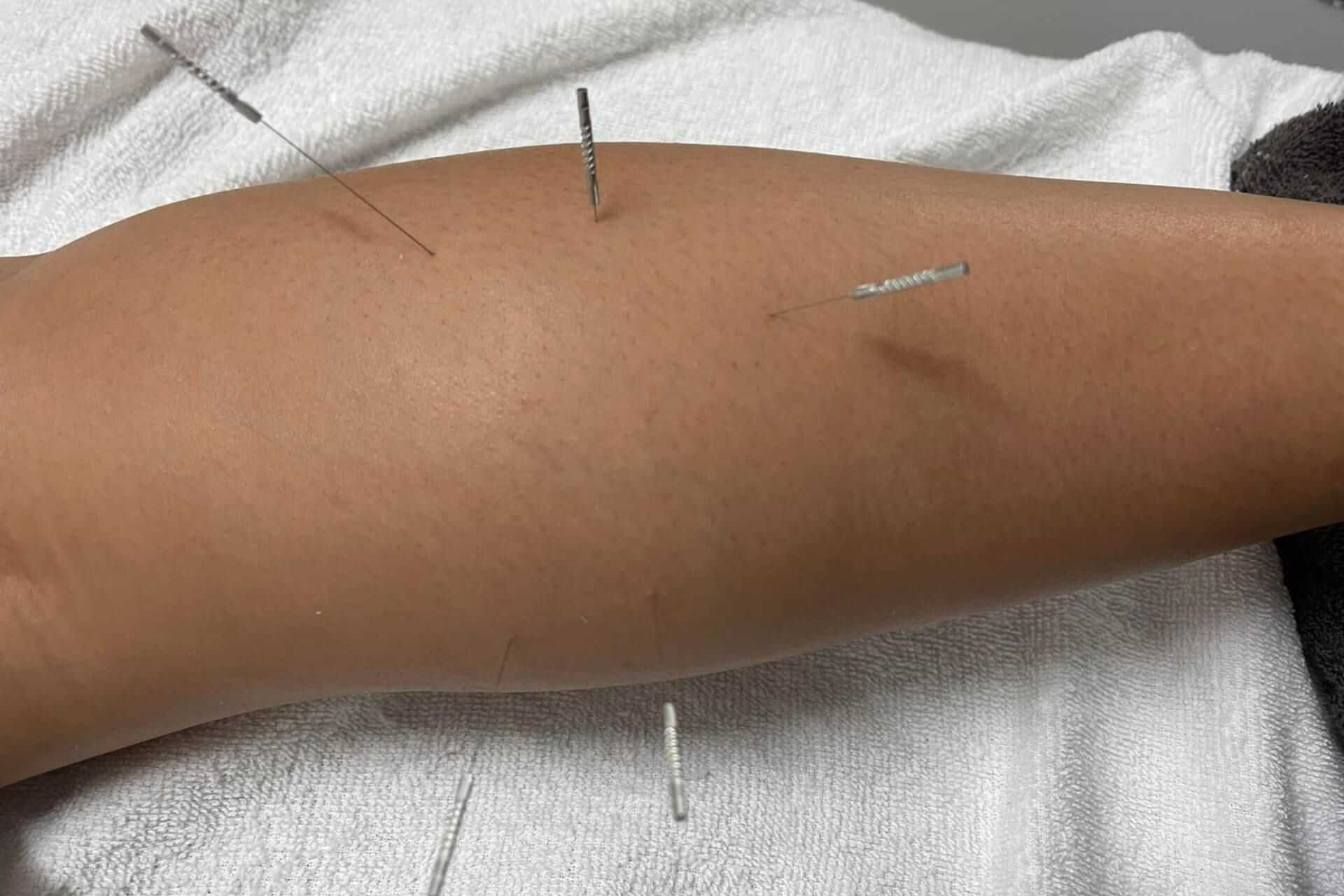
You may also benefit from instrument-assisted soft tissue mobilization (IASTM) or myofascial release to improve circulation and reduce pain. These hands-on treatments complement exercise but should not replace it.
When pain limits progress, clinicians sometimes recommend corticosteroid injections into the subacromial space. These can provide short-term relief by reducing inflammation. However, repeated injections may weaken tendon tissue, so they should be used judiciously.
Emerging options, such as platelet-rich plasma (PRP) injections, show mixed evidence. Discuss potential benefits and risks with your healthcare provider before proceeding.
Surgical Considerations
If non-surgical care fails after several months, surgical evaluation may be appropriate. Surgery is typically reserved for full-thickness tears, persistent weakness, or mechanical impingement caused by bone spurs.
Common procedures include arthroscopic debridement or rotator cuff repair, depending on tendon damage. Surgeons may also smooth the acromion bone to relieve pressure on the supraspinatus tendon.
Post-surgery, expect a structured rehabilitation program lasting several months. Early phases emphasize passive motion to protect the repair, followed by gradual strengthening and functional training.
You play a critical role in recovery. Following your surgeon’s and therapist’s instructions closely improves healing outcomes and reduces the chance of re-injury.
Prevention and Long-Term Shoulder Health
Protecting your shoulder joints requires consistent attention to posture, movement, and muscle balance. Small daily habits such as sitting alignment, exercise form, and recovery routines can significantly reduce strain on the rotator cuff and surrounding shoulder muscles.

Posture and Ergonomics
Poor posture often places continuous stress on the shoulder tendons. Rounded shoulders, forward head position, or slouched sitting can narrow the space around the rotator cuff, leading to irritation.
Keep your shoulders relaxed but slightly back, and align your ears with your shoulders when sitting or standing. Adjust your workstation so your elbows stay near your sides and your monitor is at eye level.
Quick posture checklist:
| Task: Desk work | |
|---|---|
| Ideal Position | Neutral spine, shoulders back |
| Common Mistake | Leaning forward |
| Task: Phone use | |
|---|---|
| Ideal Position | Hold device at eye level |
| Common Mistake | Looking down |
| Task: Driving | |
|---|---|
| Ideal Position | Seat upright, elbows slightly bent |
| Common Mistake | Slouching |
Regular posture breaks—every 30–45 minutes—help release tension and restore proper alignment.
Warm-Up and Technique
Before any upper-body activity, warm up the shoulder muscles to prepare the tendons for load. Cold muscles are more prone to microtears and fatigue.
Start with 5–10 minutes of light aerobic activity such as arm circles or brisk walking, followed by gentle dynamic stretches. Focus on movements that mimic your planned activity, like overhead reaches or band pull-aparts for lifting or throwing sports.
When performing exercises, pay attention to controlled motion instead of speed. Keep your elbows slightly bent and avoid jerky transitions. Proper technique reduces unnecessary strain on the rotator cuff and promotes balanced muscle activation.
Avoiding Overuse
Repetitive overhead movements or high training volumes can overload the shoulder tendons. Overuse often develops gradually, showing as mild soreness that worsens over time.
Use the “10% rule”—increase training intensity or duration by no more than 10% per week. This gradual approach allows the rotator cuff to adapt without inflammation.
Alternate between high- and low-intensity days. If your job involves repetitive lifting, vary your grip, adjust your reach height, or take short rest intervals. Early rest and ice can prevent minor irritation from progressing to tendinopathy.
Maintaining Shoulder Strength
Balanced strength across the shoulder complex supports joint stability. Weak rotator cuff muscles allow larger muscles, such as the deltoids, to dominate, increasing tendon stress.
Incorporate strengthening exercises that target the rotator cuff and scapular stabilizers. Examples include:
- External rotations with resistance bands
- Prone Y and T raises
- Scapular retraction drills
Perform 2–3 sessions per week with moderate resistance and controlled form. Combine strength work with flexibility exercises for the chest and upper back to maintain full range of motion.
Consistent, well-rounded conditioning helps your shoulders remain strong and resilient for long-term health.
 Book Now
 Buy Gift Card