




Key Takeaways
- Myofascial pain syndrome causes chronic muscle pain from trigger points in your muscles and fascia.
- Identifying the symptoms early helps prevent long-term stiffness and discomfort.
- Consistent treatment and lifestyle adjustments can reduce pain and improve mobility.
Muscle pain that won’t go away can leave you frustrated and exhausted, especially when stretching or rest doesn’t help. Myofascial pain syndrome (MPS) often hides behind that stubborn ache, caused by sensitive trigger points in your muscles and fascia. Understanding how MPS develops and what triggers it gives you the power to relieve pain and restore normal movement.
You might notice a deep, aching pain that spreads from one spot to another or muscles that feel tight and tender to touch. These signs often point to MPS, a condition linked to overuse, poor posture, stress, or injury. When ignored, it can limit your mobility and affect daily activities—but with the right approach, you can manage it effectively.
This guide explains what MPS is, how to recognize its symptoms, and practical ways to ease the discomfort. You’ll learn what causes these painful knots, how to treat them, and what steps can help prevent flare-ups in the future.
Contents
1. Understanding Myofascial Pain Syndrome
- What Is Myofascial Pain Syndrome?
- How Myofascial Pain Differs from Other Conditions
- Prevalence and Who Is Affected
- Common Signs and Symptoms
- Referred Pain and Trigger Points
- Physical Exam and Diagnostic Criteria
- Associated Conditions and Overlapping Disorders
3. Primary Causes and Risk Factors
- Muscle Injury and Trauma
- Repetitive Motion and Muscle Overuse
- Poor Posture and Ergonomic Issues
- Systemic and Lifestyle Contributors
4. Treatment and Pain Relief Strategies
- Physical Therapy and Exercise
- Trigger Point Therapies
- Medications for Myofascial Pain
- Complementary and Alternative Approaches
Understanding Myofascial Pain Syndrome
Myofascial pain syndrome (MPS) involves persistent pain that originates in the muscles and surrounding fascia. It often develops after muscle overuse, tension, or injury and can interfere with daily movement, sleep, and comfort. Recognizing how it works, how it differs from similar conditions, and who it affects helps you manage symptoms more effectively.

What Is Myofascial Pain Syndrome?
MPS is a chronic musculoskeletal condition where specific areas of skeletal muscle develop tight, sensitive spots called trigger points. These points can cause localized or referred pain, meaning discomfort may appear in areas distant from the actual source.
The fascia, a thin layer of connective tissue that surrounds your muscles, plays a key role. When the fascia or muscle fibers tighten or become inflamed, they can restrict movement and create ongoing tension.
Typical symptoms include:
- Deep, aching muscle pain
- Tender knots you can feel under the skin
- Limited range of motion
- Sleep disturbance due to discomfort
Unlike temporary muscle soreness, MPS pain persists and may worsen with stress, poor posture, or repetitive activity. Effective management requires identifying and treating both the trigger points and the underlying muscle dysfunction.
How Myofascial Pain Differs from Other Conditions
You may confuse MPS with fibromyalgia or general muscle strain, but they differ in scope and symptoms. Fibromyalgia causes widespread pain and fatigue across the body, while MPS produces regional pain focused on specific muscles or groups.
| Myofascial Pain Syndrome | |
|---|---|
| Pain Type | Regional, localized |
| Trigger Points | Palpable, tender knots |
| Cause | Muscle overuse, injury, stress |
| Fibromyalgia | |
|---|---|
| Pain Type | Widespread |
| Trigger Points | General tenderness |
| Cause | Altered pain processing in the nervous system |
MPS pain often improves with targeted therapies like trigger point injections, stretching, or massage, unlike fibromyalgia, which requires broader pain management. Recognizing these distinctions helps you and your clinician choose the most effective approach.
Prevalence and Who Is Affected
MPS affects people of many ages but appears most often in adults who perform repetitive motions or maintain poor posture at work. Occupations involving manual labor, computer use, or prolonged sitting increase risk.
Studies suggest that women may experience MPS slightly more often than men, possibly due to hormonal and stress-related influences on muscle tension.
Athletes, office workers, and individuals under chronic stress are particularly vulnerable. Emotional stress can cause muscle clenching, which leads to trigger point formation.
Although exact prevalence rates vary, MPS is considered one of the most common causes of chronic regional pain in the musculoskeletal system. Early recognition and consistent treatment can help you reduce pain and restore muscle function.
Key Symptoms and Diagnosis
Myofascial pain syndrome often develops gradually, beginning with localized muscle tenderness that can spread into broader regions of discomfort. Recognizing specific patterns of pain and confirming the presence of myofascial trigger points are essential for accurate diagnosis and effective treatment planning.

Common Signs and Symptoms
You may notice persistent muscle pain that feels deep, aching, or tight. This discomfort often occurs in specific muscle groups such as the neck, shoulders, or lower back. Unlike temporary soreness, the pain from myofascial pain syndrome can last for weeks or months.
Muscle stiffness and limited range of motion (ROM) are common. You might find it difficult to turn your head, lift your arm, or bend comfortably. Some people experience muscle spasms or a constant feeling of tension, even at rest.
Fatigue, sleep disturbances, and mood changes such as anxiety or depression often accompany chronic pain. These symptoms can worsen sensitivity and delay recovery, creating a cycle of discomfort and stress that affects daily activities.
Referred Pain and Trigger Points
A hallmark of this condition is the presence of myofascial trigger points, which are small, hypersensitive nodules within tight muscle bands. When pressed, these points can cause localized pain and referred pain—discomfort felt in a different area of the body.
For example, a trigger point in your shoulder may cause pain that radiates down the arm or into the neck. This referred pain follows predictable patterns that help clinicians identify the source.
During palpation, a “jump sign” may occur when a sensitive trigger point is touched, causing you to flinch or jerk involuntarily. These reactions confirm irritation within the muscle fibers and help distinguish myofascial pain from joint or nerve-related pain.
Physical Exam and Diagnostic Criteria
Diagnosis relies on a thorough physical exam rather than imaging or lab tests. Your clinician will gently press along muscle groups to locate taut bands and trigger points. They assess pain response, muscle texture, and ROM limitations.
Typical diagnostic criteria include:
| Criterion: Palpable taut band | |
|---|---|
| Description | Tight cord-like muscle region |
| Criterion: Tender nodule | |
|---|---|
| Description | Localized sensitive spot within the taut band |
| Criterion: Referred pain | |
|---|---|
| Description | Pain felt away from the trigger point |
| Criterion: Jump sign or twitch response | |
|---|---|
| Description | Involuntary reaction to pressure |
Diagnostic tools such as pressure algometry may be used to measure sensitivity, and symptom patterns are compared with known regional pain maps.
Associated Conditions and Overlapping Disorders
Myofascial pain syndrome can coexist with or resemble other musculoskeletal pain disorders. The most common overlap occurs with fibromyalgia, which causes widespread pain but lacks distinct trigger points.
You may also experience symptoms that mimic temporomandibular joint disorder (TMJD), tension headaches, or chronic neck and back strain. Sleep disturbances, anxiety, and depression frequently interact with chronic pain, increasing sensitivity and reducing coping ability.
Identifying overlapping factors helps guide treatment. Addressing posture, stress, and sleep quality supports muscle recovery and reduces recurrence of trigger point activation.
Primary Causes and Risk Factors
Myofascial pain syndrome often develops from a combination of physical strain, postural imbalance, and systemic influences that disrupt normal muscle function. Understanding how these factors interact helps you identify triggers early and take steps to reduce ongoing muscle tension and pain.

Muscle Injury and Trauma
Direct muscle injury or trauma can initiate the formation of myofascial trigger points. When muscle fibers tear or overstretch, localized inflammation and microdamage occur, leading to persistent tenderness and stiffness. Even minor muscle strain from sports, accidents, or surgical procedures can set off this process.
You may notice pain that persists long after the initial injury heals. This happens because damaged fibers can develop abnormal contraction patterns, restricting blood flow and oxygen delivery. The affected area becomes hypersensitive, creating a self-sustaining cycle of pain and muscle tightness.
Applying early treatment—such as gentle stretching, heat therapy, or guided rehabilitation—helps restore circulation and prevent chronic dysfunction.
Repetitive Motion and Muscle Overuse
Repetitive motion and muscle overuse are major contributors to myofascial pain. When you perform the same movement repeatedly—typing, lifting, or playing an instrument—certain motor units work continuously without rest. Over time, these fibers fatigue, accumulate metabolic waste, and lose calcium balance, which can cause trigger points to form.
Jobs or activities involving static postures, such as prolonged computer use or driving, also strain the same muscle groups. This constant low-level contraction leads to microtrauma and reduced muscle recovery.
To prevent overuse-related pain, alternate tasks, take brief movement breaks, and incorporate stretching into your routine. Balanced muscle activation helps distribute workload evenly and reduces localized stress.
Poor Posture and Ergonomic Issues
Poor posture places uneven stress on muscles and joints. Forward head posture, rounded shoulders, or slouched sitting can overload neck, shoulder, and back muscles, causing chronic tension and muscle imbalance. Over time, this strain promotes trigger point activation and referred pain patterns.
Common examples include neck stiffness from leaning toward a screen or shoulder discomfort from unsupported arm positions. Maintaining proper posture—keeping ears aligned with shoulders and using ergonomic supports—reduces mechanical load and improves muscle coordination.
A simple checklist for posture correction:
- Adjust monitor height to eye level.
- Keep feet flat on the floor.
- Use lumbar support for lower back.
- Take short posture breaks every 30–45 minutes.
Systemic and Lifestyle Contributors
Certain systemic conditions and lifestyle factors can increase your susceptibility to myofascial pain. Vitamin D deficiency, iron deficiency, and hypothyroidism weaken muscle metabolism, making tissues more prone to fatigue and trigger point formation. Arthritis and other joint disorders can alter movement patterns, forcing nearby muscles to compensate and overwork.
Chronic psychological stress also contributes by causing prolonged muscle tension, especially in the neck, shoulders, and jaw. Poor sleep, inactivity, and nutritional imbalances further delay recovery.
Supporting your muscles through balanced nutrition, regular physical activity, and relaxation techniques helps maintain healthy tissue function and reduces recurrence of pain.
Treatment and Pain Relief Strategies
Effective management of myofascial pain syndrome focuses on reducing muscle tension, improving mobility, and addressing the underlying trigger points that cause pain. You can often find relief through a combination of physical therapy, targeted procedures, medication, and complementary approaches that support long-term muscle health.

Physical Therapy and Exercise
Physical therapy forms the foundation of most treatment plans. A licensed therapist helps you identify tight muscle areas and teaches you techniques to release tension safely. Stretching and posture correction reduce strain on affected muscles and prevent new trigger points from forming.
Strengthening exercises support weak muscle groups and improve endurance. Light resistance training, yoga, and gentle aerobic activity can enhance circulation and flexibility. These activities also help retrain movement patterns that may contribute to chronic tension.
Therapists may use ultrasound therapy or transcutaneous electrical nerve stimulation (TENS) to improve blood flow and modulate pain signals. These noninvasive methods can ease discomfort and promote healing.
| Technique: Stretching | |
|---|---|
| Purpose | Lengthens tight fibers |
| Technique: Strength training | |
|---|---|
| Purpose | Improves muscle support |
| Technique: TENS | |
|---|---|
| Purpose | Reduces pain signals |
| Technique: Ultrasound | |
|---|---|
| Purpose | Enhances circulation |
Trigger Point Therapies
Trigger point therapies target the small, sensitive knots within muscle tissue that cause localized and referred pain. Trigger point injections deliver a local anesthetic, such as lidocaine, or sometimes a corticosteroid directly into the affected area to relax the muscle and relieve pain.
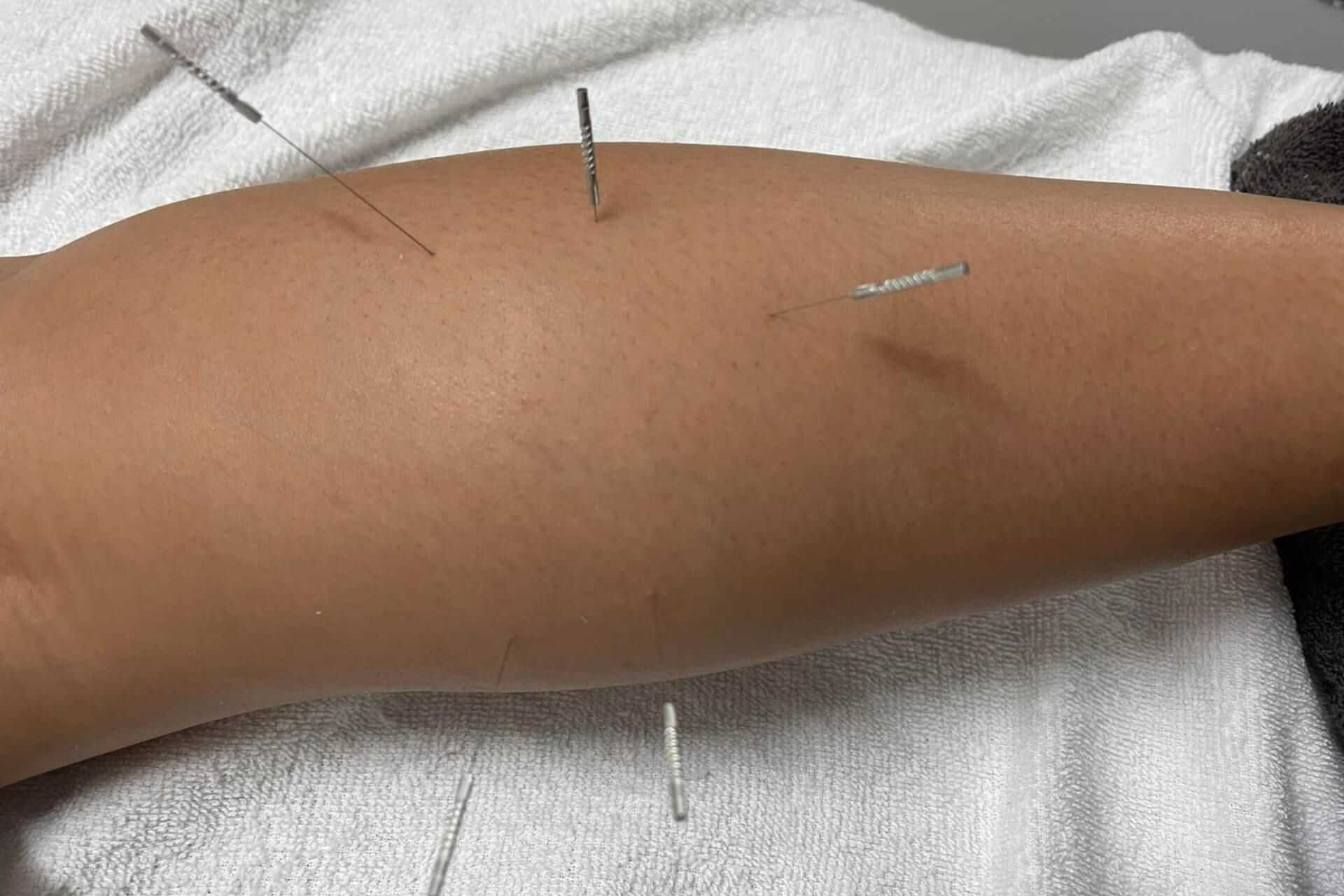
Dry needling uses a fine needle without medication to release muscle tightness and improve range of motion. Some people find acupuncture beneficial, as it stimulates specific points to encourage relaxation and pain control.
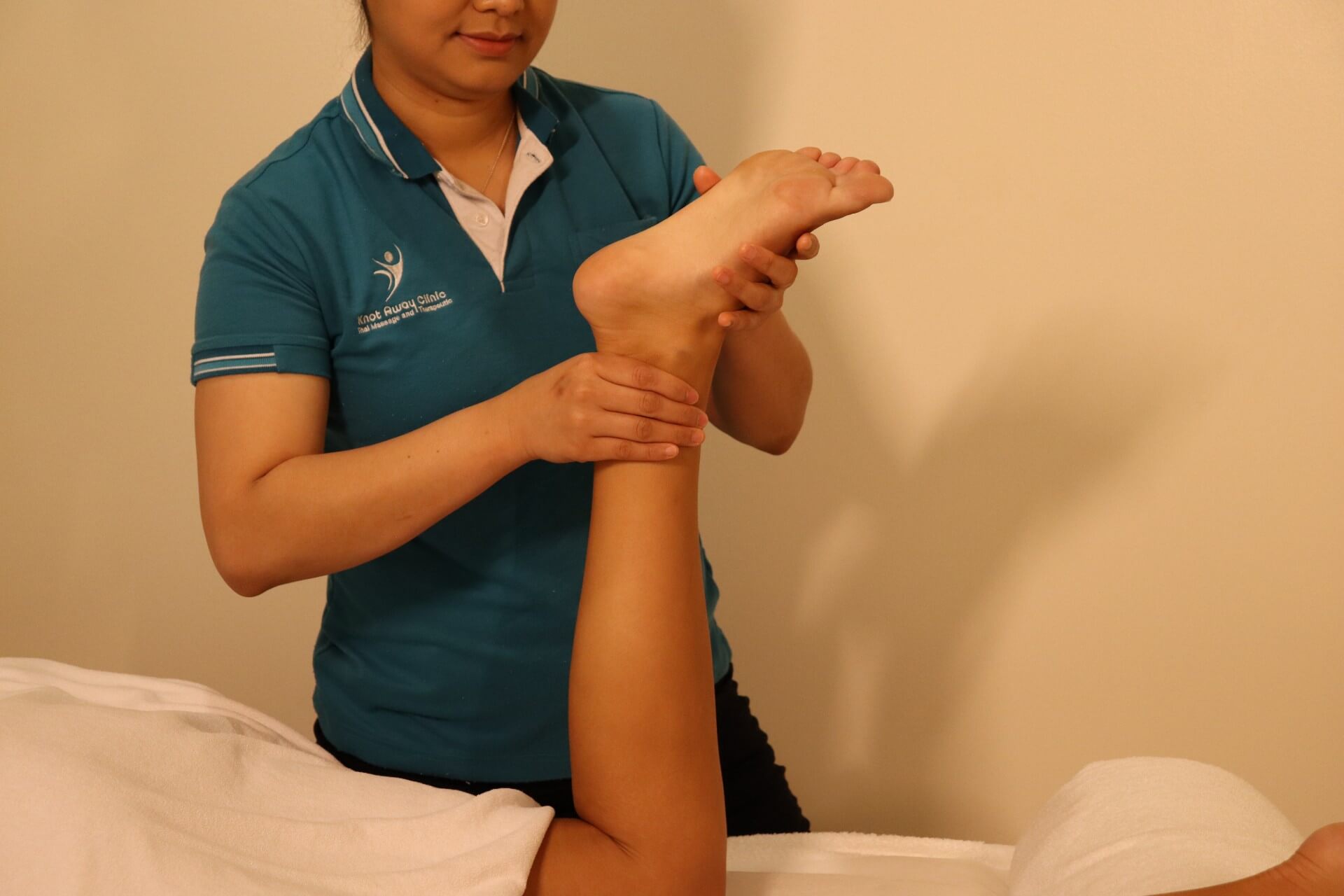
Manual pressure techniques, such as sustained compression or myofascial release, also help deactivate trigger points. These methods may cause brief discomfort but usually lead to lasting relief when performed by trained professionals.
Medications for Myofascial Pain
Medication can help manage pain and muscle tension while you work on long-term recovery strategies. Over-the-counter pain relievers like ibuprofen and other nonsteroidal anti-inflammatory drugs (NSAIDs) reduce inflammation and soreness.
When pain persists, your clinician may prescribe muscle relaxants such as tizanidine to ease spasms or antidepressants, particularly tricyclic antidepressants, to improve sleep and reduce chronic pain sensitivity.
Some patients benefit from anticonvulsants like gabapentin, which calm overactive nerve signals. For localized pain, a lidocaine patch or other topical local anesthetic can provide targeted relief without systemic side effects.
Always discuss potential interactions and side effects with your healthcare provider before starting or combining medications.
Complementary and Alternative Approaches
Complementary approaches can enhance conventional treatment and support overall pain management. Yoga and mindful stretching improve flexibility and body awareness, helping you maintain relaxation in affected muscles.
Massage therapy increases circulation and reduces stiffness, while heat therapy loosens tight tissues before exercise or stretching. You may also explore acupuncture or dry needling as part of an integrated plan when performed by qualified practitioners.
Lifestyle habits play a key role. Regular movement, balanced nutrition, and adequate sleep help reduce flare-ups. Stress-reduction techniques—such as meditation or controlled breathing—can lower muscle tension and improve your ability to manage chronic pain effectively.
Prevention and Long-Term Management
Preventing and managing myofascial pain syndrome involves consistent habits that protect muscle health, reduce psychological stress, and support recovery. You can often lessen flare-ups by improving posture, maintaining balanced nutrition, and addressing emotional and physical tension before it worsens.

Lifestyle Modifications and Ergonomics
Daily movement and posture awareness play a major role in preventing muscle strain. Poor ergonomics at work or home can cause repetitive tension that leads to trigger points. Adjust your chair height, keep screens at eye level, and use supportive seating to maintain proper posture.
Regular stretching and low-impact exercise, such as swimming or yoga, help maintain flexibility and circulation. These activities reduce stiffness and support a multimodal approach to long-term relief.
Avoid prolonged static positions. Set reminders to stand, stretch, or walk every 30–60 minutes. Even brief movement breaks can prevent muscle fatigue and stiffness.
When lifting objects, bend at your knees instead of your waist and keep items close to your body. These small adjustments protect your muscles and joints from unnecessary strain.
Stress Reduction and Mental Health
Psychological stress often worsens muscle tension and pain sensitivity. Chronic anxiety, depression, and sleep disturbances can trigger or intensify myofascial pain. Learning to manage emotional strain is an essential part of long-term management.
Incorporate relaxation techniques such as deep breathing, progressive muscle relaxation, or mindfulness meditation. These methods calm your nervous system and reduce muscle tightness.
If you experience persistent emotional distress, consider cognitive behavioral therapy or counseling. Addressing the mental component of pain can improve both mood and physical function.
Sleep quality also matters. Establish a consistent bedtime routine, limit caffeine late in the day, and maintain a cool, dark environment to support restorative rest.
Nutritional and Self-Care Practices
Balanced nutrition supports muscle recovery and overall well-being. Deficiencies in magnesium, vitamin D, or B vitamins may contribute to increased muscle sensitivity. Including foods rich in lean protein, leafy greens, and whole grains helps maintain proper muscle function.
Stay hydrated throughout the day. Dehydration can worsen muscle stiffness and fatigue.
Gentle self-massage or the use of foam rollers can relieve localized tension and improve blood flow. Apply heat packs to tight areas to relax muscles, or use cold therapy to reduce inflammation after activity.
Track your pain patterns, triggers, and relief strategies in a journal. This simple tool helps you identify what works best for your body and promotes consistent self-care habits.
Living with Myofascial Pain Syndrome
Managing myofascial pain syndrome requires consistent self-care, informed medical guidance, and practical adjustments to daily habits. You can reduce regional pain and muscle tension through targeted strategies that combine physical therapy, stress control, and lifestyle modification.

Coping Strategies and Support
Living with chronic muscle contraction and tension can feel exhausting. Building a structured pain management routine helps you stay functional and maintain comfort. Gentle stretching, heat therapy, and low-impact exercise such as swimming or walking can reduce stiffness and improve circulation.
Use a daily movement plan to prevent prolonged immobility. Short breaks every 30–60 minutes can lessen trigger point activation. Applying a warm compress or using a foam roller can release tight fascia and ease localized pain.
Emotional support also matters. Joining a chronic pain support group or talking with a counselor helps you manage frustration and isolation. Tracking your pain triggers—such as poor posture or stress—can help you identify patterns and adjust behaviors. A simple table can help you organize this:
| Trigger: Long sitting | |
|---|---|
| Effect on Pain | Increases neck tension |
| Adjustment | Stand, stretch hourly |
| Trigger: Dehydration | |
|---|---|
| Effect on Pain | Muscle stiffness |
| Adjustment | Increase water intake |
| Trigger: Stress | |
|---|---|
| Effect on Pain | Muscle contraction |
| Adjustment | Practice deep breathing |
When to Seek Medical Advice
You should contact a healthcare provider when pain persists for weeks despite self-care or when muscle knots limit movement. Persistent regional pain, sleep disruption, or numbness may indicate worsening myofascial dysfunction or another condition requiring medical evaluation.
A physician or pain specialist can perform a physical exam to locate trigger points and rule out related disorders such as fibromyalgia or nerve compression. They may recommend trigger point injections, dry needling, or customized physical therapy to relieve muscle tension and restore flexibility.
Early medical intervention helps prevent chronic flare-ups. If medications or exercises cause new pain or fatigue, report these changes promptly. Adjusting your treatment plan under professional supervision ensures safer and more effective results.
Prognosis and Quality of Life
With consistent care, many people experience significant improvement in pain levels and function. Myofascial pain syndrome is typically a long-term condition, but early diagnosis and active management can reduce symptom frequency and intensity.
Maintaining a balanced lifestyle—adequate sleep, hydration, and ergonomic posture—supports long-term recovery. Regular stretching and strength training help stabilize muscles and prevent recurring trigger points.
You may still experience occasional discomfort, but ongoing attention to muscle health and stress control allows you to maintain independence and participate in daily activities. Working closely with your healthcare team gives you the best chance for sustained comfort and improved quality of life.
 Book Now
 Buy Gift Card