


Key Takeaways
- Chronic lower back pain often results from multiple physical and lifestyle factors.
- Accurate diagnosis and early conservative care can prevent long-term disability.
- Combining exercise, therapy, and medical management offers the best chance for lasting relief.
Living with chronic lower back pain can make everyday tasks feel like a challenge. Whether it’s a dull ache that lingers or sharp discomfort that flares with movement, the impact on your quality of life is real. Understanding what causes chronic lower back pain and how to find effective relief helps you take control instead of letting pain dictate your day.
You might wonder why the pain persists even after rest or medication. Chronic lower back pain often stems from a combination of muscle strain, disc problems, arthritis, or nerve irritation. Lifestyle factors such as posture, stress, and limited movement can make symptoms worse. Knowing how these elements interact gives you the foundation to manage pain more effectively.
This guide walks through practical steps—from identifying causes and getting the right diagnosis to exploring proven treatments that go beyond medication. You’ll learn how to work with your body, not against it, to reduce pain and improve mobility.
Contents
1. Understanding Chronic Lower Back Pain
2. Common Causes and Risk Factors
- Degenerative Disc Disease and Herniated Discs
- Spinal Stenosis and Arthritis
- Muscle Strains, Sprains, and Poor Posture
- Lifestyle and Psychological Factors
- Medical History and Physical Examination
- Imaging Tests: X-rays, MRI, and CT Scans
- Electrodiagnostic Studies
4. Conservative and Non-Pharmacological Treatments
- Physical Therapy and Exercise Programs
- Lifestyle Changes and Preventive Strategies
- Complementary Therapies: Yoga, Acupuncture, and Massage
- Mind-Body Approaches: Mindfulness and Meditation
Understanding Chronic Lower Back Pain
Chronic lower back pain often develops gradually and can interfere with your ability to move, work, and rest. It involves a complex mix of physical, psychological, and social factors that influence how pain persists and how you respond to it. Recognizing these aspects helps you manage symptoms more effectively and maintain quality of life.

Definition and Prevalence
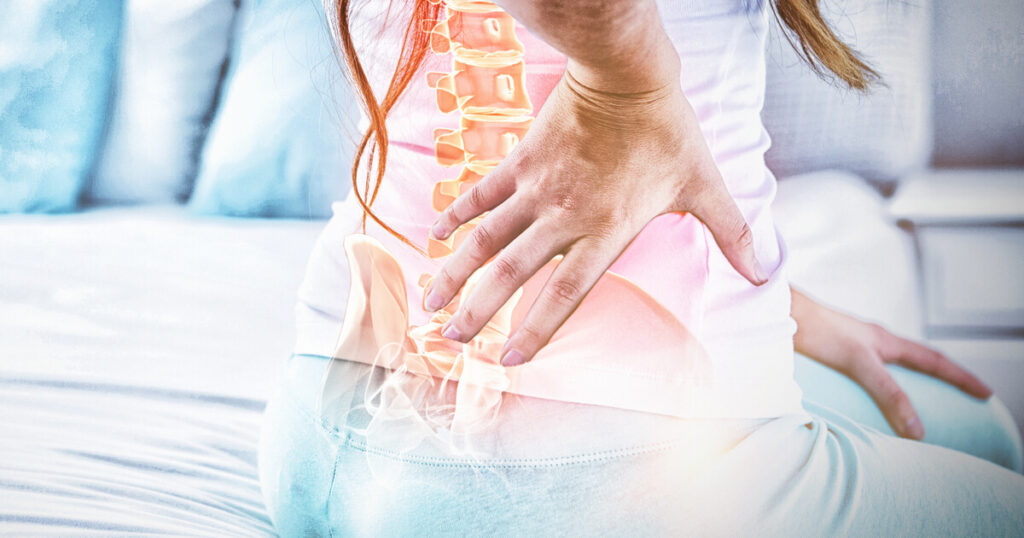
You experience chronic lower back pain (CLBP) when discomfort in the lower spine lasts longer than 12 weeks. It may begin after an injury or appear without a clear cause. Unlike acute pain, it often continues even after the initial tissue healing.
According to the World Health Organization (WHO), lower back pain is one of the leading causes of disability worldwide. Studies estimate that 13–23% of adults live with chronic back pain at any time.
CLBP is typically non-specific, meaning no single structural problem explains it. Instead, it results from multiple factors such as muscle strain, disc degeneration, or joint stress. Emotional strain, work conditions, and reduced physical activity can also contribute to its persistence.
| Type: Acute | |
|---|---|
| Duration | Less than 6 weeks |
| Common Causes | Muscle strain, sudden injury |
| Type: Subacute | |
|---|---|
| Duration | 6–12 weeks |
| Common Causes | Prolonged strain, incomplete recovery |
| Type: Chronic | |
|---|---|
| Duration | More than 12 weeks |
| Common Causes | Degenerative changes, psychosocial factors |
Impact on Daily Life and Disability
Chronic back pain affects not only your body but also your daily functioning. You may find it difficult to sit, stand, or lift for long periods. Sleep disruption and fatigue are common, which can lower concentration and mood.
Persistent pain can reduce your participation in work and social activities. The WHO identifies lower back pain as a major contributor to years lived with disability globally. This burden often leads to decreased productivity and financial stress.
Emotional effects matter, too. You might experience frustration, anxiety, or fear of movement, which can worsen pain perception. Addressing these psychological and social factors—through education, support, and gradual activity—helps you regain confidence and independence.
Acute vs. Chronic Pain
Acute pain serves as a warning signal that something is wrong, usually resolving as tissues heal. Chronic pain, however, continues beyond normal recovery and may not have a single identifiable cause.
In chronic lower back pain, the nervous system becomes more sensitive, amplifying pain signals even after the original injury heals. This process, known as central sensitization, explains why discomfort can persist without visible damage.
You can manage chronic pain more successfully by combining physical activity, posture training, and psychological support. Understanding that chronic pain involves both body and mind helps you focus on long-term recovery rather than short-term relief.
Common Causes and Risk Factors
Chronic low back pain often develops from gradual wear on spinal structures, muscle injury, or persistent strain on the lower back. Your risk increases with age, reduced physical fitness, and lifestyle factors that weaken spinal support or increase inflammation.

Degenerative Disc Disease and Herniated Discs
As you age, the intervertebral discs that cushion your spine lose water content and elasticity. This process, known as degenerative disc disease, reduces disc height and flexibility, leading to pain and stiffness.
When a disc’s soft inner material pushes through its outer layer, a herniated disc can occur. This may compress nearby nerves, causing pain that radiates into your legs or buttocks. Nerve compression can also lead to numbness or weakness in the affected area.
You may notice discomfort that worsens with sitting, bending, or lifting. Regular movement, core-strengthening exercises, and proper body mechanics can help support the discs and reduce stress on your spine.
| Key Factor: Disc dehydration | |
|---|---|
| Typical Effects | Loss of cushioning, stiffness |
| Key Factor: Herniation | |
|---|---|
| Typical Effects | Nerve compression, radiating pain |
| Key Factor: Poor posture | |
|---|---|
| Typical Effects | Increased disc pressure |
Spinal Stenosis and Arthritis
Spinal stenosis occurs when the spinal canal narrows and compresses the spinal cord or nerves. This narrowing often results from arthritis, thickened ligaments, or bone spurs that form as joints degenerate.
You might feel pain, tingling, or weakness in the lower back, buttocks, or legs, especially when standing or walking. Sitting or leaning forward may bring relief because it opens space around the nerves.
Conditions such as spondylitis or osteoarthritis can also cause inflammation and stiffness in the spine. Maintaining flexibility, using supportive footwear, and performing low-impact exercises like swimming can help manage symptoms and preserve mobility.
Muscle Strains, Sprains, and Poor Posture
Muscle strains and sprains are among the most common causes of low back pain. They often result from lifting heavy objects improperly, sudden twisting movements, or prolonged sitting.
When muscles or ligaments stretch or tear, you may experience localized pain, tightness, or muscle spasms. Poor posture—such as slouching at a desk—places uneven pressure on spinal structures, worsening discomfort over time.
Improving your core strength and maintaining ergonomic alignment while sitting or standing can help reduce strain. Short breaks to stretch and adjust your position are simple but effective ways to prevent recurring pain.
Lifestyle and Psychological Factors
Your daily habits and emotional health strongly influence chronic low back pain. Physical inactivity, excess body weight, and smoking can weaken muscles and reduce blood flow to spinal tissues, slowing recovery.
Psychological factors such as stress, depression, and sleep disturbance can heighten pain sensitivity and delay healing. Learning stress management techniques, engaging in regular exercise, and maintaining good sleep hygiene can improve both physical and mental resilience.
You can also benefit from a balanced approach that includes physical therapy, mindfulness, and gradual activity increases. These strategies help restore confidence in movement and reduce the likelihood of long-term disability.
Diagnosis and Evaluation
Accurate diagnosis helps you identify the source of chronic lower back pain and choose the most effective treatment. It involves understanding your symptoms, examining your physical condition, and using diagnostic tools to rule out serious causes and confirm the nature of your pain.

Medical History and Physical Examination
Your medical history provides essential clues about possible causes of back pain. Your clinician will ask when the pain began, what worsens or relieves it, and whether you have symptoms like numbness, weakness, or bowel or bladder changes. These details help identify red flags such as infection, fracture, or nerve compression.
During the physical examination, your provider evaluates posture, spine alignment, and range of motion. They may perform simple movements to assess flexibility and muscle strength. Neurological tests check reflexes, sensation, and coordination to detect nerve involvement.
Key findings often guide next steps. For example, pain that radiates down the leg may suggest sciatica, while localized tenderness could indicate muscle strain. This step helps determine whether imaging or other tests are necessary.
Imaging Tests: X-rays, MRI, and CT Scans
Imaging helps confirm or exclude structural problems when symptoms persist or red flags appear. X-rays show bone alignment and can detect fractures or severe arthritis but do not reveal soft tissue issues.
Magnetic resonance imaging (MRI) provides detailed views of discs, nerves, and ligaments. It is useful when you have neurological symptoms or suspected herniated discs. Computed tomography (CT) scans offer clear images of bone and joint structures and may be used if MRI is unavailable or contraindicated.
| Test: X-ray | |
|---|---|
| Best For | Bone fractures, arthritis |
| Limitations | Limited soft tissue detail |
| Test: MRI | |
|---|---|
| Best For | Discs, nerves, soft tissues |
| Limitations | Costly, may show incidental findings |
| Test: CT Scan | |
|---|---|
| Best For | Bone and joint detail |
| Limitations | Radiation exposure |
Routine imaging is not recommended unless clinically justified, as many findings do not correlate with pain severity.
Electrodiagnostic Studies
When nerve involvement is suspected, electrodiagnostic studies help identify the source of pain or weakness. Electromyography (EMG) measures electrical activity in muscles, while nerve conduction studies (NCS) assess how well electrical signals travel through nerves.
These tests can distinguish between nerve root compression, peripheral neuropathy, or muscle disorders. They are often ordered when symptoms such as numbness, tingling, or leg weakness persist despite conservative care.
Results from EMG and NCS guide treatment decisions and help determine whether surgical or nonsurgical management is appropriate. Discussing results with your primary care provider or specialist ensures you understand what they mean for your recovery plan.
Conservative and Non-Pharmacological Treatments
You can often manage chronic lower back pain effectively without surgery or long-term medication. Evidence supports structured physical therapy, targeted exercise, lifestyle adjustments, and mind-body techniques to reduce pain, improve movement, and prevent recurrence.

Physical Therapy and Exercise Programs
A licensed physical therapist helps you restore movement and strengthen muscles that support your spine. Core stabilization, flexibility, and aerobic conditioning form the foundation of most therapy plans. These exercises improve posture, reduce stiffness, and enhance endurance.
You might perform activities such as:
- McKenzie extension exercises for spinal mobility
- Pilates-based core training for stability
- Low-impact aerobic activities like swimming or cycling
Research shows that consistent exercise therapy can reduce pain intensity and disability over time. Combining supervised and home-based sessions often yields the best results.
Lifestyle Changes and Preventive Strategies
Daily habits strongly influence back health. Maintaining a healthy weight decreases strain on spinal joints, while regular movement prevents stiffness from prolonged sitting.
You can reduce risk by:
- Adjusting workstation ergonomics
- Taking short standing or walking breaks every 30–45 minutes
- Sleeping on a supportive mattress
- Avoiding heavy lifting with poor form
Preventive strategies also include stress management and smoking cessation, as both factors affect tissue healing and pain perception. Small, consistent adjustments in how you move and rest can help sustain long-term improvement.
Complementary Therapies: Yoga, Acupuncture, and Massage
Yoga integrates gentle stretching, breathing, and strength-building that can relieve muscle tension and improve flexibility. Modified poses, guided by an experienced instructor, help you move safely within your limits.
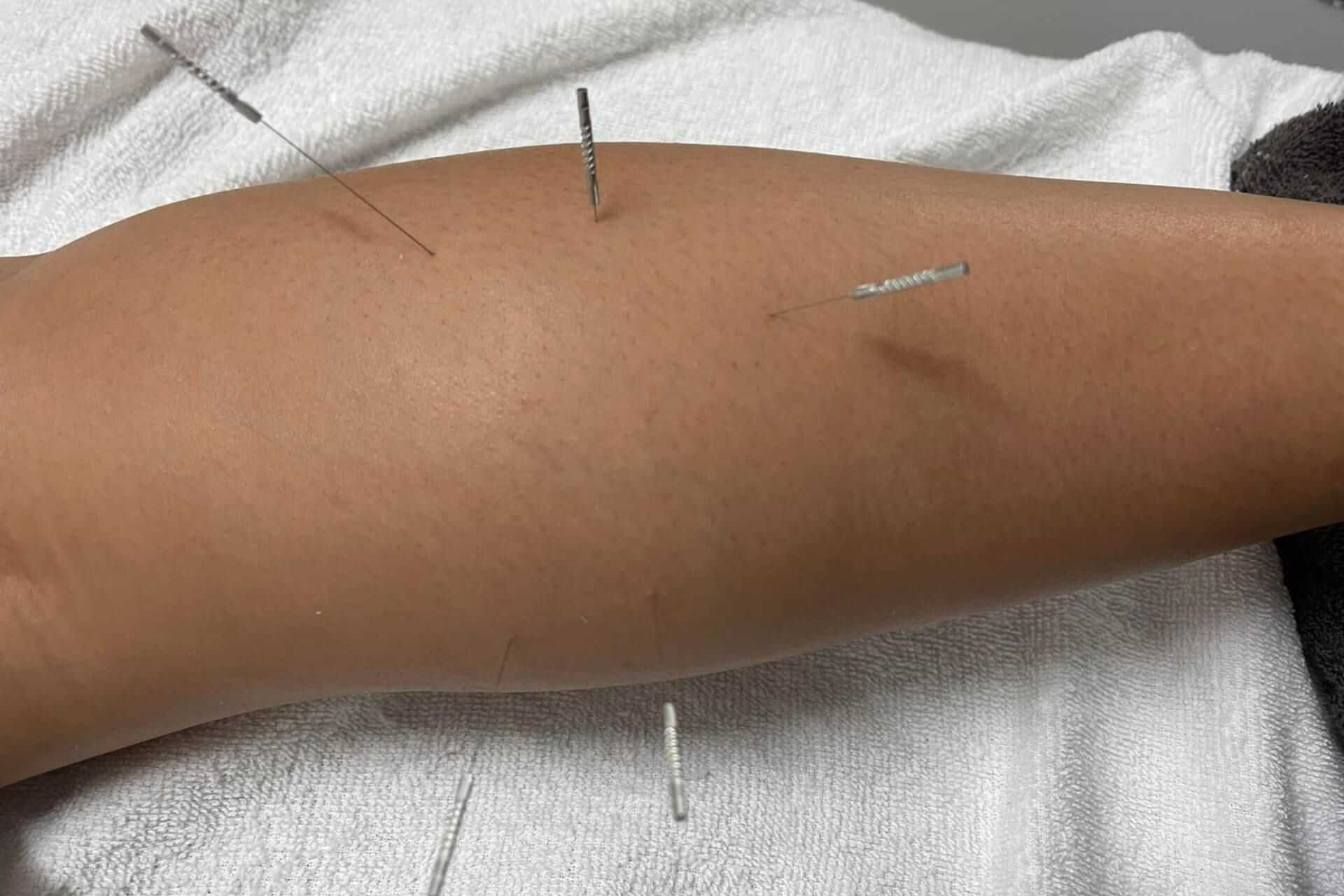
Acupuncture, based on the insertion of fine needles at specific points, may ease chronic pain by influencing nerve pathways and releasing endorphins. Studies show modest but meaningful improvements in pain and function for some people.
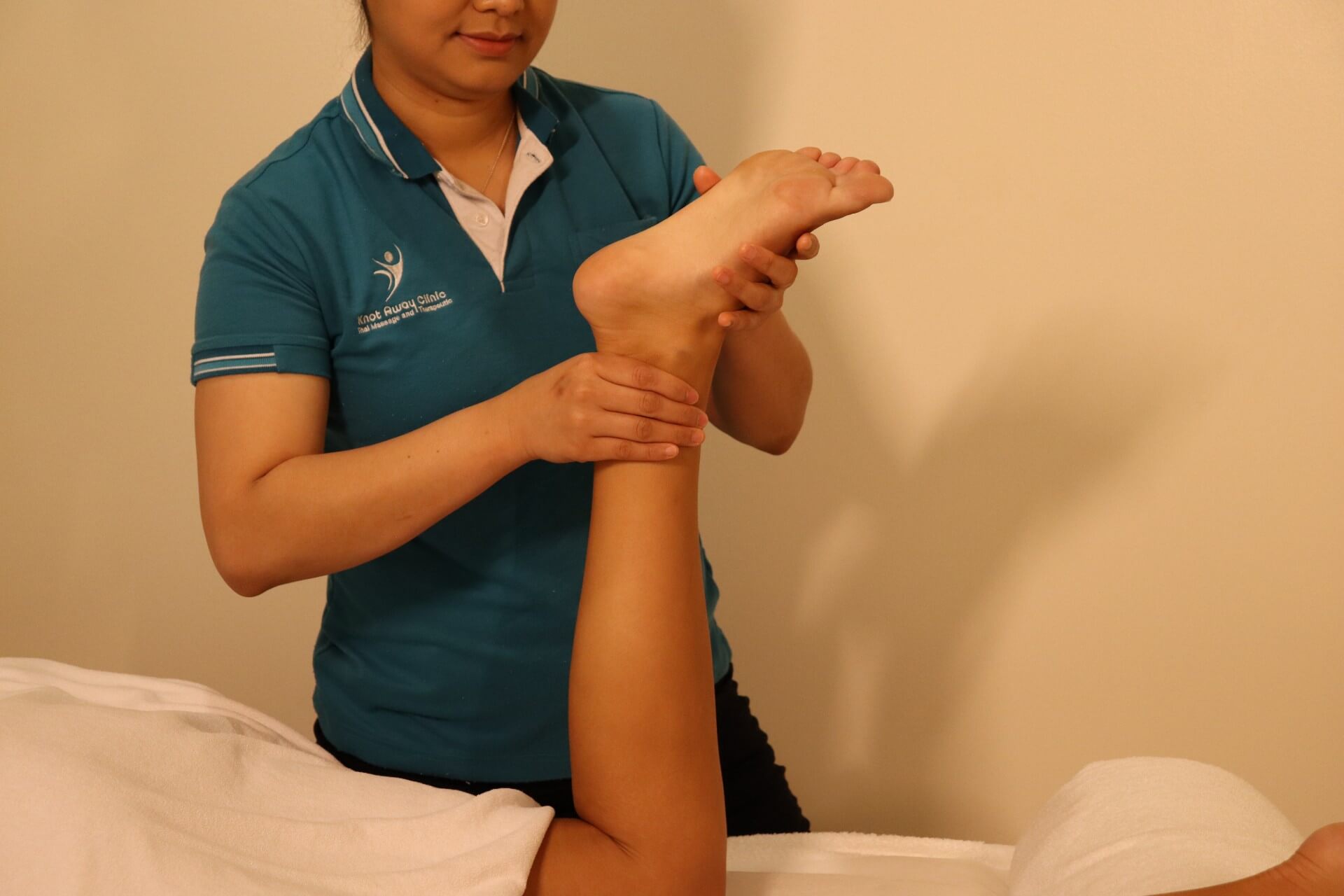
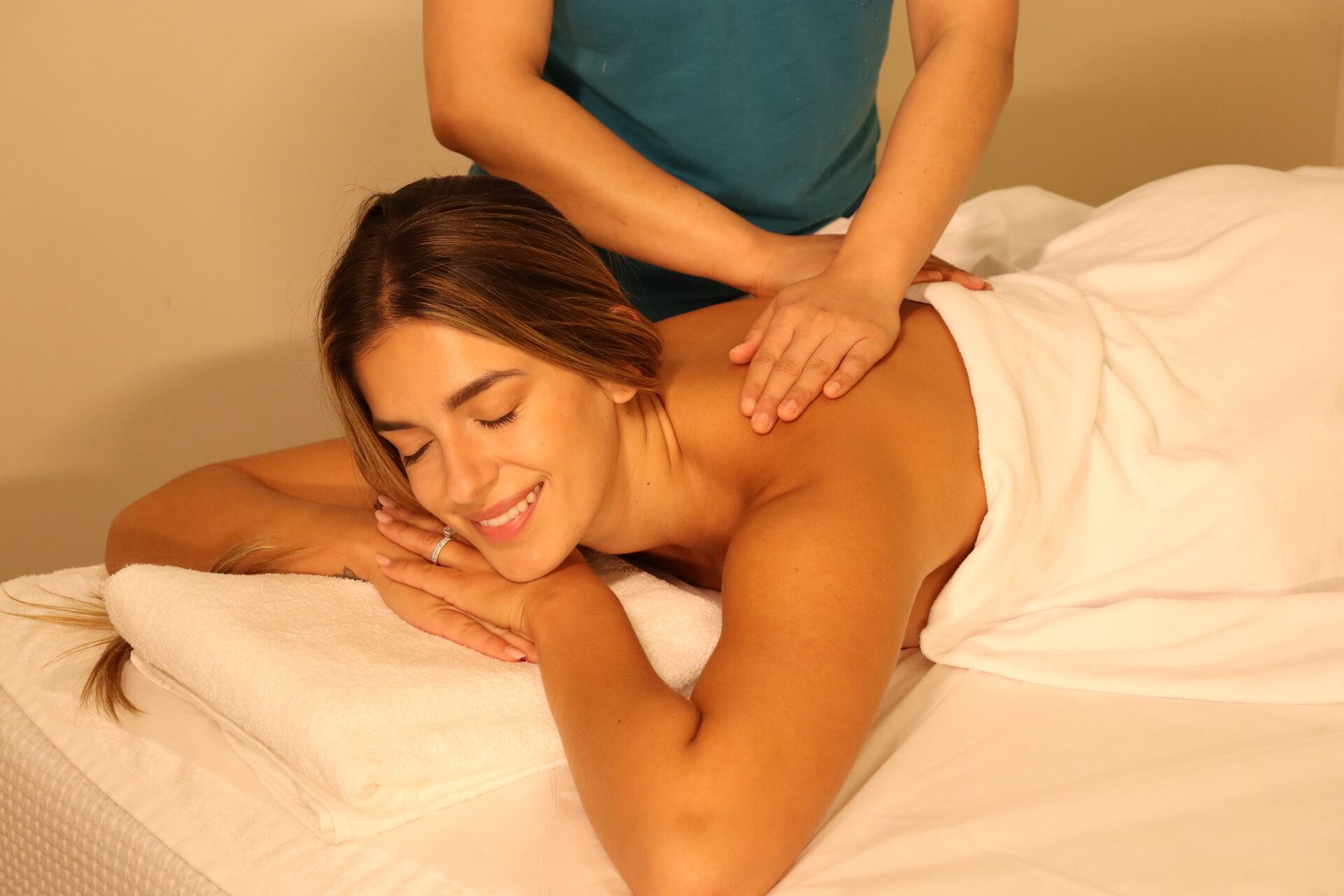
Massage therapy improves circulation, reduces muscle tightness, and promotes relaxation. When combined with exercise or physical therapy, it can enhance mobility and comfort. Some individuals also benefit from chiropractic care, which focuses on spinal manipulation to restore movement in restricted joints.
Mind-Body Approaches: Mindfulness and Meditation
Chronic pain often involves both physical and emotional components. Mindfulness-based stress reduction (MBSR) and meditation teach you to observe pain sensations without reacting to them, which can reduce distress and promote calm.
You learn to focus attention on breathing and bodily awareness, helping to interrupt cycles of tension and anxiety. Clinical research indicates that mindfulness and cognitive behavioral therapy (CBT) can modestly lower pain intensity and disability levels.
Practicing regularly—even for a few minutes daily—can help you regain a sense of control and improve your quality of life.
Medications and Pain Management
Managing chronic lower back pain often involves combining medication with physical and behavioral therapies. You may need different types of pain relief at different times, depending on the cause, intensity, and persistence of your symptoms.

Over-the-Counter Pain Relievers
Over-the-counter (OTC) medications are often the first step in managing persistent back pain. Nonsteroidal anti-inflammatory drugs (NSAIDs) such as ibuprofen and naproxen reduce inflammation and ease discomfort. They can help you stay active and maintain daily function.
Use the lowest effective dose for the shortest necessary time to reduce risks like stomach irritation or elevated blood pressure. Adults over 45 may benefit from pairing NSAIDs with a stomach-protective agent such as a proton pump inhibitor.
If you cannot tolerate NSAIDs, acetaminophen may provide mild relief. It does not reduce inflammation but can help with general pain. However, excessive or long-term use can strain the liver, so always follow dosage recommendations carefully.
| OTC Option: Ibuprofen | |
|---|---|
| Typical Use | Pain and inflammation |
| Key Precautions | Avoid if you have ulcers or kidney disease |
| OTC Option: Naproxen | |
|---|---|
| Typical Use | Longer-lasting pain relief |
| Key Precautions | Take with food to reduce stomach upset |
| OTC Option: Acetaminophen | |
|---|---|
| Typical Use | Mild pain relief |
| Key Precautions | Monitor for liver toxicity |
Prescription Medications and Muscle Relaxants
If OTC options are insufficient, your clinician may prescribe stronger medications. Muscle relaxants such as cyclobenzaprine or tizanidine can reduce muscle spasms that worsen pain. They are usually taken short term due to side effects like drowsiness or dizziness.
Some people benefit from antidepressants (especially SNRIs like duloxetine) that target pain pathways in the nervous system. These are not used primarily for mood but for their pain-modulating effects.
Opioids may be considered only when other treatments fail and for limited periods under close supervision. Long-term use carries risks of dependence, tolerance, and withdrawal. Your clinician may also refer you to a pain specialist for individualized medication planning and monitoring.
Corticosteroid Injections and Advanced Interventions
When oral medications do not provide enough relief, corticosteroid injections may reduce inflammation around irritated nerves or joints. These injections deliver targeted relief that can last for weeks or months, though effects vary by person.
A pain specialist often performs these procedures using imaging guidance for accuracy. Common targets include the epidural space, facet joints, or sacroiliac joints.
Advanced interventions, such as nerve blocks or radiofrequency ablation, may be considered for persistent pain unresponsive to other treatments. These approaches aim to interrupt pain signals and improve mobility while minimizing systemic side effects.
Careful evaluation ensures that each procedure aligns with your condition, goals, and overall health profile.
Surgical Options and When to Consider Surgery
Surgery for chronic lower back pain focuses on relieving pressure on nerves, stabilizing the spine, or correcting structural issues that cause persistent pain. It becomes an option when conservative treatments—like physical therapy, medication, or injections—no longer provide meaningful relief.

Indications for Surgery
You might consider surgery if your pain stems from a clear anatomical cause, such as a herniated disc, spinal stenosis, or degenerative disc disease. Persistent nerve compression leading to leg weakness, numbness, or loss of bladder or bowel control also signals the need for surgical evaluation.
A pain specialist or spine surgeon typically recommends surgery only after imaging confirms a structural problem and non-surgical care has failed over several months. Surgery may also be appropriate when pain severely limits daily activities or work performance.
Before making a decision, you’ll undergo diagnostic tests like MRI or CT scans to confirm the source of pain. A multidisciplinary team often reviews your case to ensure surgery is the most appropriate next step.
Common Surgical Procedures
Several surgical options exist, each targeting specific problems:
| Procedure: Discectomy | |
|---|---|
| Purpose | Removes part of a herniated disc pressing on a nerve |
| Typical Candidates | Nerve pain or sciatica |
| Procedure: Laminectomy | |
|---|---|
| Purpose | Removes part of the vertebral bone to relieve spinal canal pressure |
| Typical Candidates | Spinal stenosis |
| Procedure: Spinal Fusion | |
|---|---|
| Purpose | Joins two or more vertebrae to stabilize the spine |
| Typical Candidates | Degenerative disc disease or instability |
Minimally invasive techniques allow smaller incisions, less muscle damage, and quicker recovery times. Your surgeon will explain the risks—such as infection, nerve injury, or incomplete pain relief—so you can make an informed choice.
Recovery and Rehabilitation
After surgery, recovery focuses on restoring mobility and strength while protecting the healing spine. You’ll likely begin gentle movement within days, guided by a physical therapist.
Rehabilitation may include core strengthening, posture training, and gradual return to normal activity. Pain management often involves a combination of medications and non-opioid strategies under the supervision of a pain specialist.
Healing can take weeks to months depending on the procedure and your overall health. Staying consistent with therapy, maintaining good nutrition, and following your surgeon’s instructions improve long-term outcomes and reduce the risk of recurrence.
 Book Now
 Buy Gift Card