




Key Takeaways
- DOMS causes muscle soreness one to three days after unfamiliar or intense exercise.
- Gentle movement, hydration, and rest can ease discomfort and support recovery.
- Gradual training increases and proper warm-ups help prevent future soreness.
After a tough workout, your muscles might feel fine at first—but the next day, they ache, tighten, and make even simple movements uncomfortable. That lingering soreness isn’t a sign of failure; it’s your body’s natural response to new or intense physical activity. Delayed onset muscle soreness (DOMS) happens when your muscles repair tiny tears caused by exercise, leading to temporary stiffness and tenderness.
You can feel the effects of DOMS anywhere from 12 to 24 hours after a workout, with discomfort peaking within a couple of days. While it can make you hesitate to move, gentle activity, hydration, and rest all help you recover faster. Understanding what triggers this soreness helps you manage it without losing momentum in your fitness routine.
Learning how to ease and prevent DOMS keeps you consistent and confident in your workouts. With the right recovery habits, you’ll build strength and resilience while reducing post-exercise pain.
Contents
1. What Is Delayed Onset Muscle Soreness (DOMS)?
- Key Features of DOMS
- Difference Between DOMS and Acute Muscle Soreness
- Timeline and Duration of Symptoms
2. Causes and Mechanisms of DOMS
- Muscle Fiber Microtrauma
- Role of Eccentric Exercises
- Inflammation and Inflammatory Response
- Theories: Lactic Acid, Enzyme Efflux, and Connective Tissue Damage
3. Symptoms and Impact on Physical Activity
- Muscle Soreness and Tenderness
- Reduced Range of Motion and Strength
- Swelling and Stiffness
- Effect on Workouts and Daily Life
What Is Delayed Onset Muscle Soreness (DOMS)?
Delayed onset muscle soreness (DOMS) describes the muscle pain and stiffness that appear after unaccustomed or intense physical activity. It involves temporary microscopic muscle fiber damage that triggers inflammation, tenderness, and reduced strength but typically resolves without lasting harm.

Key Features of DOMS
You usually notice DOMS as dull, aching muscle pain that develops several hours after exercise. The affected muscles often feel tight, tender, and weak, especially when you move or press on them.
This soreness stems from eccentric muscle contractions—movements where muscles lengthen under tension, such as downhill running or lowering weights. These actions strain muscle fibers and connective tissue, causing small structural disruptions.
Along with pain, you may experience temporary loss of muscle strength and a reduced range of motion. Swelling can occur due to localized inflammation, which contributes to stiffness. Despite the discomfort, DOMS is a normal adaptive response that helps muscles recover and become stronger over time.
| Symptoms: Muscle tenderness, stiffness, mild swelling | |
|---|---|
| Typical Onset | 6–12 hours post-exercise |
| Recovery Time | 3–7 days |
Difference Between DOMS and Acute Muscle Soreness
You might confuse DOMS with acute muscle soreness, but they occur at different times and for different reasons. Acute soreness happens during or immediately after exercise due to lactic acid buildup and temporary energy depletion. It usually fades within a few hours once circulation clears the metabolites.
DOMS, in contrast, results from structural muscle stress rather than metabolic fatigue. It appears after a delay, typically the next day, and relates to microscopic muscle damage and inflammation rather than chemical accumulation.
Recognizing this difference helps you manage recovery better. While acute soreness signals short-term fatigue, DOMS indicates that your muscles are adapting to new or intensified training loads, which is part of the normal conditioning process.
Timeline and Duration of Symptoms
DOMS develops gradually. You may first feel mild tightness 6 to 12 hours after exercise, with discomfort peaking between 24 and 72 hours. The pain then slowly subsides over the next few days as healing progresses.
During this period, muscle strength and flexibility can temporarily decline, and everyday movements—like climbing stairs or lifting objects—may feel more difficult.
Most people recover within three to five days, though soreness can last up to a week after very strenuous or unfamiliar exercise. Rest, gentle movement, and hydration support faster recovery, while consistent training helps reduce how often and how severely you experience DOMS in the future.
Causes and Mechanisms of DOMS
When you feel sore a day or two after exercise, the discomfort usually stems from microscopic muscle damage, inflammation, and the body’s repair response. These processes occur most often after eccentric movements that lengthen muscle fibers under tension, such as downhill running or lowering weights during resistance training.

Muscle Fiber Microtrauma
During intense or unfamiliar exercise, your muscle fibers experience microtrauma—tiny tears in the contractile proteins that make up muscle tissue. This damage is not harmful but triggers the body’s repair mechanisms.
As your body repairs these fibers, it rebuilds them stronger and more resilient. The soreness you feel reflects this adaptation process. Microscopic disruptions in the muscle cell membrane can also allow fluid and ions to shift, contributing to temporary swelling and stiffness.
Researchers link these microtears to reduced muscle strength and temporary loss of flexibility in the affected area. The severity of soreness depends on exercise intensity, duration, and your level of conditioning.
Role of Eccentric Exercises
Eccentric exercises—movements where your muscles lengthen under load—play a major role in DOMS. Examples include downhill running, lowering a dumbbell during a bicep curl, or descending stairs.
These actions place higher mechanical stress on muscle fibers than concentric contractions, where muscles shorten. The greater tension during eccentric movement causes more structural strain and microdamage to both muscle fibers and surrounding connective tissues.
Eccentric training is essential for strength and performance, but when you perform it after a long break or at high intensity, your muscles are less adapted to handle the stress. Gradual progression and proper warm-ups help your muscles adapt and reduce soreness over time.
Inflammation and Inflammatory Response
After microtrauma occurs, your body initiates an inflammatory response to repair the affected tissue. Immune cells migrate to the damaged area, releasing cytokines and other signaling molecules that promote healing but also increase sensitivity in local nerves.
This process leads to swelling, stiffness, and tenderness that peak 24 to 72 hours after exercise. The accumulation of fluid and inflammatory markers can compress nearby tissues, which explains the feeling of tightness.
Although inflammation causes discomfort, it plays a necessary role in recovery. Supporting your body with rest, hydration, and balanced nutrition helps regulate inflammation and restore normal muscle function faster.
Theories: Lactic Acid, Enzyme Efflux, and Connective Tissue Damage
Earlier theories blamed lactic acid buildup for post-exercise soreness, but research shows lactic acid clears from your muscles within an hour of activity. The discomfort you feel days later comes from other mechanisms.
The enzyme efflux theory suggests that muscle cell damage allows enzymes such as creatine kinase to leak into surrounding tissue, irritating sensory nerves and contributing to soreness.
Another explanation involves connective tissue damage, particularly to structures like the fascia and tendons that support muscle fibers. This damage increases local inflammation and may prolong soreness.
A combination of these factors—microtrauma, enzyme leakage, and connective tissue strain—creates the delayed pain pattern recognized as DOMS. Understanding these mechanisms helps you manage recovery and train more effectively.
Symptoms and Impact on Physical Activity
You may notice soreness, stiffness, and reduced flexibility after intense or unfamiliar exercise. These effects can temporarily limit your movement and strength but usually resolve as your muscles recover and adapt to the activity.

Muscle Soreness and Tenderness
You often feel muscle soreness within 12 to 24 hours after exercise, with discomfort peaking between 24 and 72 hours. The pain usually feels dull or aching rather than sharp. It can occur when you press on or use the affected muscles.
This tenderness results from microscopic muscle fiber damage and the subsequent inflammatory response. The discomfort may be localized to specific muscle groups involved in the workout, such as your thighs after squats or your arms after lifting.
Although unpleasant, this soreness indicates that your muscles are responding to stress and beginning to rebuild. Applying gentle pressure, light stretching, or using warm compresses can help reduce pain without interfering with recovery.
Reduced Range of Motion and Strength
When you experience DOMS, your range of motion may decrease temporarily. Muscles can feel tight or resistant to movement, especially during stretching or bending. This restriction often stems from swelling and stiffness within the muscle tissue.
Your muscle strength may also decline for a few days. Studies show that force production can drop by 10–20% during peak soreness. This reduction does not mean permanent damage but reflects the muscle’s short-term recovery process.
You can manage this by performing low-intensity activities such as walking, cycling, or light resistance work. These movements increase blood flow and aid healing without overloading your muscles further.
Swelling and Stiffness
Mild swelling sometimes accompanies DOMS, especially in large muscle groups like the quadriceps or calves. The swelling occurs as fluid and immune cells move into the affected tissue to repair microscopic damage.
You might also feel stiffness, particularly after long periods of rest or sitting. This sensation can make it harder to start moving but usually improves once you warm up the muscles.
| Sensation: Tightness or heaviness | |
|---|---|
| Typical Duration | 2–5 days |
| Helpful Actions | Gentle movement, warm baths |
| Sensation: Mild puffiness | |
|---|---|
| Typical Duration | 1–3 days |
| Helpful Actions | Elevation, hydration |
| Sensation: Morning stiffness | |
|---|---|
| Typical Duration | 2–4 days |
| Helpful Actions | Light stretching, walking |
Effect on Workouts and Daily Life
DOMS can make workouts feel more challenging and may discourage you from exercising again too soon. You might find it harder to lift weights, run, or perform movements that rely on the affected muscles.
In daily life, even simple actions like climbing stairs, sitting down, or carrying groceries can feel uncomfortable. These effects are temporary and lessen as your muscles adapt to repeated activity.
To stay active while recovering, focus on active recovery—gentle exercise, proper sleep, hydration, and balanced nutrition. By respecting your body’s signals and allowing adequate rest, you support healing and prepare your muscles for future physical activity.
Relief Strategies for DOMS
You can ease delayed onset muscle soreness by supporting your body’s natural recovery processes. Gentle movement, proper circulation, temperature therapy, and balanced nutrition all help reduce discomfort and restore muscle function more effectively.

Active Recovery and Gentle Movement
Light activity helps your muscles recover by improving blood flow and reducing stiffness. Activities such as walking, cycling, or swimming at low intensity keep circulation steady without adding new strain.
Active recovery encourages oxygen and nutrient delivery to damaged tissues. This supports the repair process and helps clear metabolic byproducts that contribute to soreness.
You can also use dynamic stretching or mobility drills to maintain range of motion. Avoid complete rest unless pain is severe, since inactivity can slow recovery and increase stiffness.
Tip: Aim for 10–20 minutes of light movement the day after intense exercise to support muscle recovery.
Massage and Foam Rolling
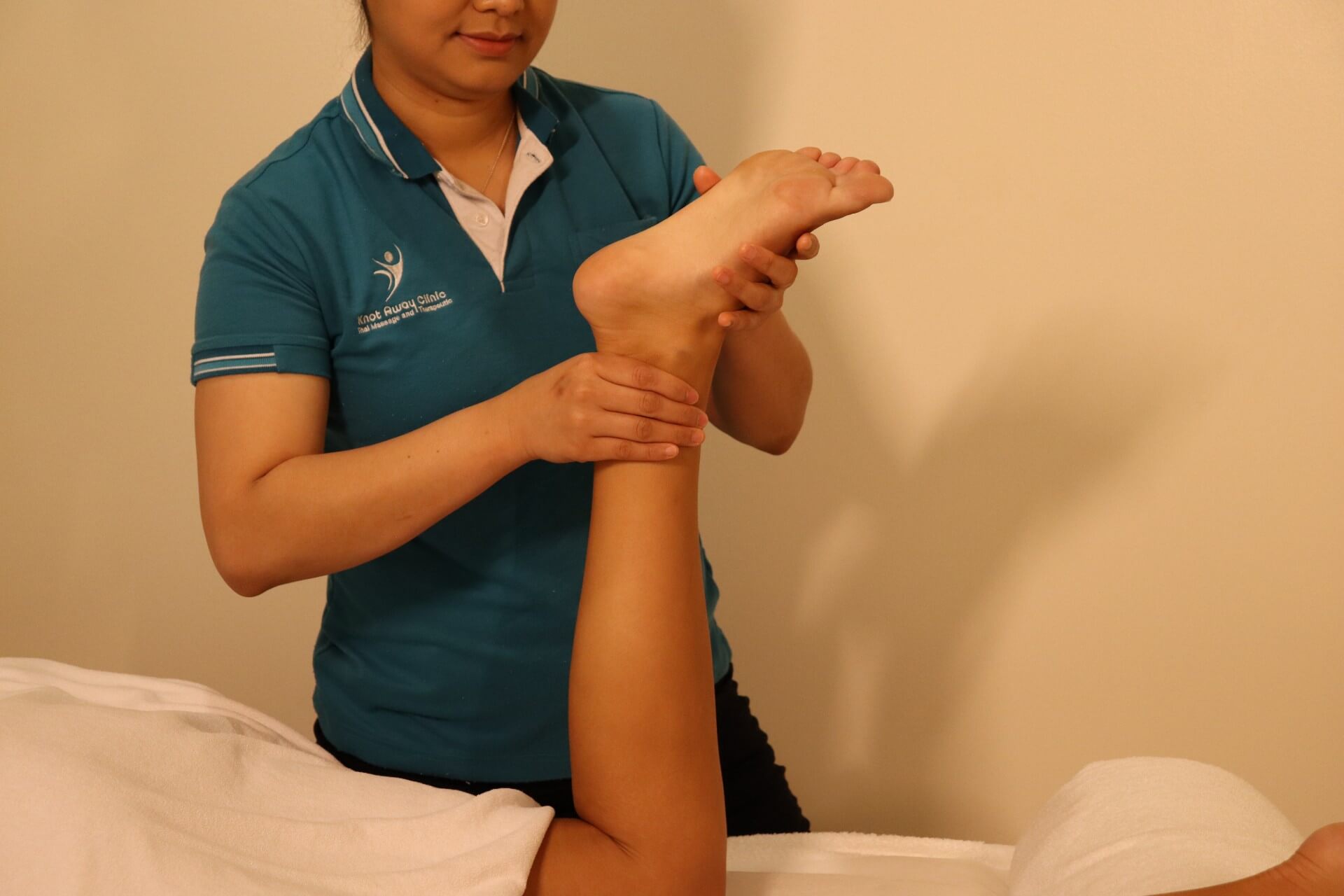
Massage and foam rolling can reduce the perception of pain by relaxing tight muscles and stimulating blood flow. Gentle pressure desensitizes nerve endings and may help relieve tension in sore areas.
Research shows that massage therapy and self-myofascial release (foam rolling) can lessen muscle soreness intensity, even if they don’t speed up strength recovery.
Use a foam roller on large muscle groups like your quads, calves, and glutes for 1–2 minutes per area. Move slowly and avoid excessive pressure on painful spots.
Compression garments can complement these methods by improving lymphatic drainage and supporting circulation. Choose a snug but comfortable fit to avoid restricting movement.
Cold Therapy and Heat Therapy
Both cold therapy and heat therapy can help manage DOMS, but they serve different purposes.
Cold therapy (such as ice baths or cryotherapy) may reduce perceived soreness and inflammation when used correctly. However, frequent or immediate use after training can limit muscle adaptation, so reserve it for times when recovery speed matters more than strength gains.
Heat therapy—including warm baths, heating pads, or saunas—helps relax stiff muscles and increase blood flow. It can be especially soothing once the initial inflammation phase has passed.
| Therapy Type: Cold Therapy | |
|---|---|
| Best Used For | Early soreness, competition recovery |
| Key Benefit | Reduces inflammation and pain |
| Therapy Type: Heat Therapy | |
|---|---|
| Best Used For | Later recovery, stiffness relief |
| Key Benefit | Improves mobility and comfort |
Nutrition, Hydration, and Supplements
Proper nutrition supports tissue repair and reduces recovery time. Focus on protein-rich foods to aid muscle rebuilding and complex carbohydrates to restore glycogen.
Staying hydrated helps maintain circulation and nutrient transport. Even mild dehydration can slow recovery and worsen fatigue.
Some evidence suggests BCAAs (branched-chain amino acids) may reduce muscle soreness when taken before or after exercise, though results vary.
Avoid routine use of NSAIDs or other anti-inflammatory drugs for DOMS, as they can interfere with the body’s natural healing response. Instead, rely on balanced meals, adequate rest, and consistent hydration to promote long-term muscle resilience.
Prevention Tips and Long-Term Recovery
You can reduce the risk of delayed onset muscle soreness (DOMS) by pacing your workouts, preparing your muscles before exercise, and maintaining healthy recovery habits. Paying attention to gradual progression, proper warm-up, balanced training, and consistent rest supports your body’s ability to adapt and recover effectively.

Gradual Progression in Exercise
Increase the intensity, duration, or frequency of your workouts slowly to give your muscles time to adapt. Sudden jumps in load or volume often cause more microtears, leading to soreness.
Follow the 10% rule—raise your training load by no more than about 10% per week. This approach helps your muscles strengthen without excessive strain.
If you’re returning after a break, start with lighter resistance or shorter sessions. Consistency matters more than intensity early on. Tracking your progress can also help you identify when your body is ready for the next step.
| Strategy: Gradual load increase | |
|---|---|
| Benefit | Reduces muscle strain |
| Strategy: Scheduled rest days | |
|---|---|
| Benefit | Supports muscle recovery |
| Strategy: Tracking workouts | |
|---|---|
| Benefit | Prevents overtraining |
Proper Warm-Up and Stretching
A proper warm-up improves blood flow, raises muscle temperature, and prepares your joints for movement. Spend at least 5–10 minutes doing dynamic stretches such as leg swings, arm circles, or light jogging before exercise.
Dynamic stretching activates muscles and improves flexibility, reducing the risk of stiffness afterward. Save static stretching—like holding a hamstring stretch—for after your workout when your muscles are warm.
Post-exercise stretching helps maintain range of motion and relaxes tight tissues. Incorporating gentle movement, such as walking or yoga, after training can also ease recovery by promoting circulation and nutrient delivery to muscles.
Cross-Training and Eccentric Exercise Management
Mixing different forms of physical activity prevents repetitive strain and balances muscle use. Combine strength training, cardio, and flexibility exercises to keep your body adaptable.
Eccentric exercises—like lowering a weight slowly or running downhill—are valuable for building strength but tend to trigger more soreness. Manage them by limiting volume at first and increasing gradually.
Alternate high-intensity or eccentric sessions with low-impact activities such as swimming or cycling. This balance allows recovery while maintaining fitness. Using proper form during eccentric movements also reduces unnecessary stress on joints and connective tissue.
Lifestyle Factors: Sleep and Consistency
Muscle recovery depends on how well you rest and fuel your body. Aim for 7–9 hours of sleep each night to allow tissue repair and hormone regulation. Poor sleep can slow recovery and make soreness feel worse.
Stay hydrated throughout the day since muscles are mostly water and rely on fluid balance for performance. Eat balanced meals with lean protein, fruits, and vegetables to support repair and energy levels.
Consistency in your exercise routine helps your body adapt to physical stress. Regular movement keeps muscles conditioned and reduces the likelihood of severe soreness after future workouts.
 Book Now
 Buy Gift Card