


Key Takeaways
- Tennis elbow results from overuse of forearm muscles and tendons.
- Early recognition and proper care help reduce pain and improve healing.
- Simple adjustments and consistent exercises support long-term recovery.
You may notice a sharp or aching pain on the outer part of your elbow that makes simple tasks like turning a doorknob or lifting a cup uncomfortable. That nagging pain could be tennis elbow, a common overuse injury caused by strain on the tendons that attach your forearm muscles to your elbow. It often develops from repetitive wrist and arm movements—not just from playing tennis.
Understanding what triggers this condition helps you manage it before it disrupts daily activities. When you know the symptoms and causes, you can take practical steps to ease pain, restore strength, and prevent future flare-ups.
With the right recovery plan—rest, gentle stretching, and targeted therapy—you can regain comfort and function in your arm. Learning how to protect your elbow now sets you up for lasting relief and better performance in work, sports, and everyday life.
Contents
- Definition and Overview
- Lateral Epicondylitis Explained
- How Tennis Elbow Differs from Golfer’s Elbow
2. Common Symptoms and Diagnosis
- Typical Signs and Pain Patterns
- Weak Grip Strength and Functional Impact
- Physical Examination and Diagnostic Process
3. Primary Causes and Risk Factors
- Overuse Injury and Repetitive Movements
- Sports, Occupations, and Daily Activities
- Age, Lifestyle, and Other Contributing Factors
4. Effective Pain Relief and Early Management
- Rest and Activity Modification
- Ice Pack and Anti-Inflammatory Medications
- Bracing and Forearm Support
What Is Tennis Elbow?
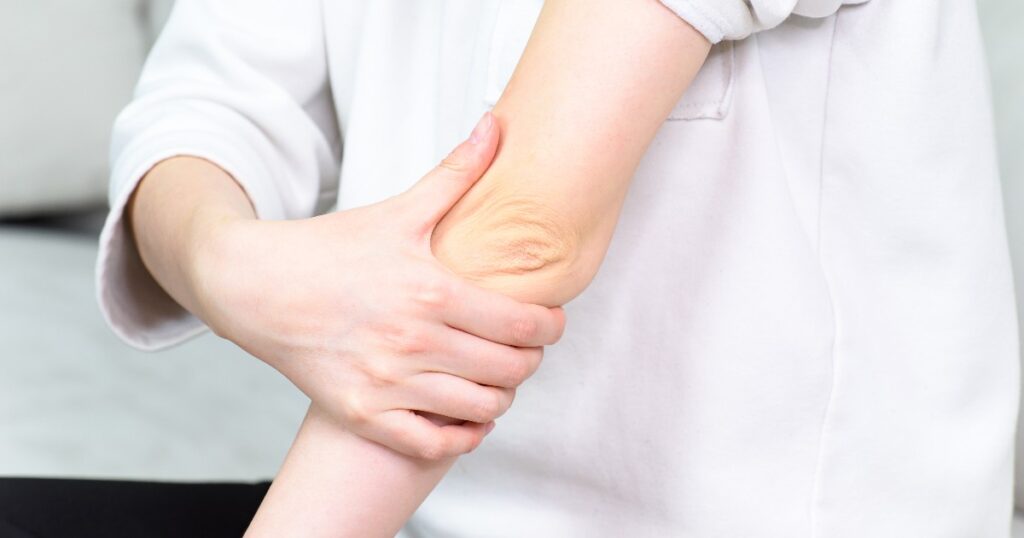
Tennis elbow causes pain and tenderness along the outer part of your elbow where the forearm muscles attach to bone. It develops from repeated wrist and arm motions that strain the tendons and small muscle fibers involved in gripping and lifting.

Definition and Overview
Tennis elbow, or lateral epicondylitis, is a tendon-related injury that affects the outer side of your elbow. It occurs when the tendons connecting your forearm muscles to the lateral epicondyle—the bony bump on the outside of your elbow—become irritated or damaged.
You may feel pain when gripping objects, shaking hands, or turning a doorknob. These everyday actions can worsen discomfort if the tendon remains inflamed.
Although the name suggests a sports injury, most people who develop tennis elbow do not play tennis. It often affects anyone whose work or hobbies involve repetitive wrist or forearm movement, such as using a computer mouse, painting, or using tools.
Mild cases may improve with rest and activity modification. More persistent pain might require physical therapy or other treatments to restore strength and flexibility.
Lateral Epicondylitis Explained
The term lateral epicondylitis describes inflammation or degeneration at the tendon’s attachment to the lateral epicondyle. The tendon most commonly involved is the extensor carpi radialis brevis, which helps extend and stabilize your wrist.
Repeated stress on this tendon can cause small tears in the tissue. Over time, these microtears lead to pain, tenderness, and reduced grip strength.
Common symptoms include:
- Aching or burning pain on the outer elbow
- Weakness when lifting or twisting the wrist
- Stiffness after periods of rest
Doctors often diagnose tennis elbow through a physical exam and may use imaging to rule out other conditions. Early management focuses on reducing strain and promoting tendon healing through rest, stretching, and gradual strengthening.
How Tennis Elbow Differs from Golfer’s Elbow
Tennis elbow and golfer’s elbow are both forms of tendinopathy, but they affect different sides of the elbow. Tennis elbow involves the outer (lateral) side, while golfer’s elbow targets the inner (medial) side.
| Condition: Tennis Elbow | |
|---|---|
| Affected Area | Outer elbow (lateral epicondyle) |
| Primary Tendon | Extensor tendons |
| Common Motions That Trigger Pain | Wrist extension, gripping |
| Condition: Golfer’s Elbow | |
|---|---|
| Affected Area | Inner elbow (medial epicondyle) |
| Primary Tendon | Flexor tendons |
| Common Motions That Trigger Pain | Wrist flexion, forearm rotation |
You can distinguish them by where you feel pain and which movements worsen it. Knowing the difference helps you choose the right exercises and treatment approach to support recovery and prevent recurrence.
Common Symptoms and Diagnosis
Tennis elbow often begins with localized pain on the outer side of your elbow that may spread into your forearm and wrist. The condition can reduce your grip strength and make daily tasks uncomfortable, requiring careful evaluation to identify the cause and rule out similar disorders.

Typical Signs and Pain Patterns
You usually feel pain or burning on the outside of the elbow, where the forearm muscles attach to the bone. The discomfort may increase when you lift, grip, or twist objects such as turning a doorknob or holding a cup.
Pain often worsens in your dominant arm, especially after repetitive wrist or forearm activity. Some people notice stiffness in the morning or tenderness when pressing on the bony area of the lateral epicondyle.
Symptoms can sometimes mimic other conditions like radial tunnel syndrome or cervical radiculopathy, which also cause forearm or arm pain. Because of this overlap, recognizing the specific pattern of pain that radiates from the outer elbow helps distinguish tennis elbow from nerve-related problems.
Weak Grip Strength and Functional Impact
Tennis elbow can noticeably weaken your grip strength, making it difficult to grasp or lift objects. You may drop items or struggle with tasks such as shaking hands, carrying groceries, or using a computer mouse.
This weakness results from pain and tendon strain that limit your ability to fully contract the forearm muscles. Over time, avoiding painful movements can lead to mild muscle fatigue and reduced coordination in the affected arm.
Tracking your grip strength helps monitor recovery. Using a hand dynamometer or performing simple grip tests at home can show progress as pain decreases and strength returns. Early treatment and gradual strengthening exercises can help restore normal function and prevent long-term limitations.
Physical Examination and Diagnostic Process
A clinician will assess your symptoms through a physical examination focused on the elbow, forearm, and wrist. You may be asked to extend your wrist or lift objects against resistance to reproduce pain at the lateral epicondyle.
Doctors often check both arms to compare tenderness, flexibility, and strength. They may also test for nerve compression or neck movement to rule out cervical radiculopathy.
Imaging tests like ultrasound or MRI are used only when symptoms persist or when other conditions are suspected. These studies help confirm tendon changes or exclude joint or nerve disorders. A clear diagnosis ensures that your treatment plan targets the true source of your elbow pain.
Primary Causes and Risk Factors
Tennis elbow develops when the tendons that attach your forearm muscles to the outside of your elbow become irritated or damaged. The condition often stems from repeated strain, certain types of work or sports, and personal factors such as age or lifestyle that affect tendon health.

Overuse Injury and Repetitive Movements
You place stress on your forearm muscles each time you perform repetitive wrist extension or gripping actions. Over time, these small stresses can cause tiny tears in the tendon fibers, particularly in the extensor carpi radialis brevis muscle near the outer elbow.
This overuse injury often occurs when you repeatedly lift, twist, or grip objects without enough rest between activities. Even light tasks, when done frequently, can trigger inflammation or tendon degeneration.
Common repetitive actions include:
- Typing or mouse use for long periods
- Turning tools such as screwdrivers or wrenches
- Lifting objects with a bent wrist
If you continue these motions without adjusting technique or workload, the tendon tissue weakens, leading to persistent pain and reduced grip strength.
Sports, Occupations, and Daily Activities
You can develop tennis elbow whether or not you play tennis. Sports that involve repeated backhand strokes, such as racquet sports, increase strain on the outer elbow, especially if your form or equipment is poor.
Certain jobs also raise your risk because they rely on repetitive forearm and wrist movements. Occupations frequently linked to this condition include:
| Occupation: Carpenters | |
|---|---|
| Common Motion | Hammering, sawing |
| Occupation: Painters | |
|---|---|
| Common Motion | Repeated brush strokes |
| Occupation: Plumbers | |
|---|---|
| Common Motion | Turning pipes and fittings |
| Occupation: Butchers or cooks | |
|---|---|
| Common Motion | Cutting and gripping tools |
Daily habits like carrying heavy bags or prolonged smartphone use can also contribute. Adjusting your grip, using ergonomic tools, and taking rest breaks can help reduce strain.
Age, Lifestyle, and Other Contributing Factors
Your risk of tennis elbow increases between ages 30 and 60, when tendons naturally lose flexibility and strength. Reduced blood flow and slower tissue repair make recovery more difficult after repetitive stress.
Lifestyle factors such as smoking and obesity may further weaken connective tissue. Certain medications, including some antibiotics or steroids, can also affect tendon health.
If you work in a job or play a sport that demands frequent wrist or arm motion, maintaining strong forearm muscles and practicing proper technique can lower your risk. Simple conditioning and stretching routines often make a measurable difference in preventing injury.
Effective Pain Relief and Early Management
Early care for tennis elbow focuses on easing pain, calming inflammation, and preventing further tendon strain. You can reduce discomfort and support healing by adjusting your activities, applying cold therapy, and using proper support devices.

Rest and Activity Modification
Rest gives your inflamed tendons time to recover. Stop or reduce any motion that causes pain, such as gripping, lifting, or twisting your wrist. Avoid repetitive tasks like typing or using tools for long periods.
If you play sports, take a short break or switch to low-impact activities. When returning, use proper technique and warm up your forearm muscles.
Try alternating tasks at work to avoid constant strain. Short, frequent breaks help reduce tension in your forearm. You can also stretch your wrist and elbow gently throughout the day to maintain flexibility without aggravating the injury.
| Helpful Adjustments: Limit repetitive wrist motion | |
|---|---|
| Examples | Typing, painting, or racquet sports |
| Helpful Adjustments: Modify grip strength | |
|---|---|
| Examples | Use lighter tools or padded handles |
| Helpful Adjustments: Schedule rest breaks | |
|---|---|
| Examples | Every 30–60 minutes of activity |
Ice Pack and Anti-Inflammatory Medications
Cold therapy reduces swelling and numbs pain. Apply an ice pack or a bag of frozen peas wrapped in a towel to your elbow for about 15 minutes every few hours. Avoid placing ice directly on the skin to prevent irritation.
Nonsteroidal anti-inflammatory drugs (NSAIDs) such as ibuprofen, naproxen, or aspirin can help reduce pain and inflammation. Take them as directed by your doctor or pharmacist.
If pain persists beyond a few weeks, discuss other options like topical NSAID gels or corticosteroid injections. These treatments can provide short-term relief but should be used carefully to avoid side effects.
Keep your arm elevated after icing to help control swelling. Consistent use of ice and medication in the early stages can shorten recovery time.
Bracing and Forearm Support
A tennis elbow brace or forearm strap can relieve strain on the injured tendon by redistributing pressure away from the painful area. Position the strap just below the elbow, over the upper forearm.
Wear the brace during activities that normally trigger pain, such as lifting or typing. Remove it during rest to allow for normal circulation.
Some people find adjustable compression sleeves helpful for mild support and warmth. Choose a snug but comfortable fit—too tight can restrict blood flow.
Regularly check that your brace stays clean and well-fitted. Combined with rest and proper ergonomics, bracing helps you stay active while protecting your elbow from further irritation.
Best Recovery Tips and Rehabilitation
Effective recovery from tennis elbow focuses on restoring tendon strength, improving joint function, and preventing further strain. You can achieve this through structured therapy, targeted exercises, and careful adjustment of daily activities that stress the elbow and wrist.

Physical Therapy and Physiotherapy
A licensed physical therapist or physiotherapist can guide you through a progressive rehabilitation plan. Treatment often begins with pain management and load modification, reducing activities that aggravate the tendon.
You may use ice therapy, compression, or bracing to control discomfort during early recovery. As pain decreases, your therapist introduces isometric exercises that engage the wrist extensors without excessive movement.
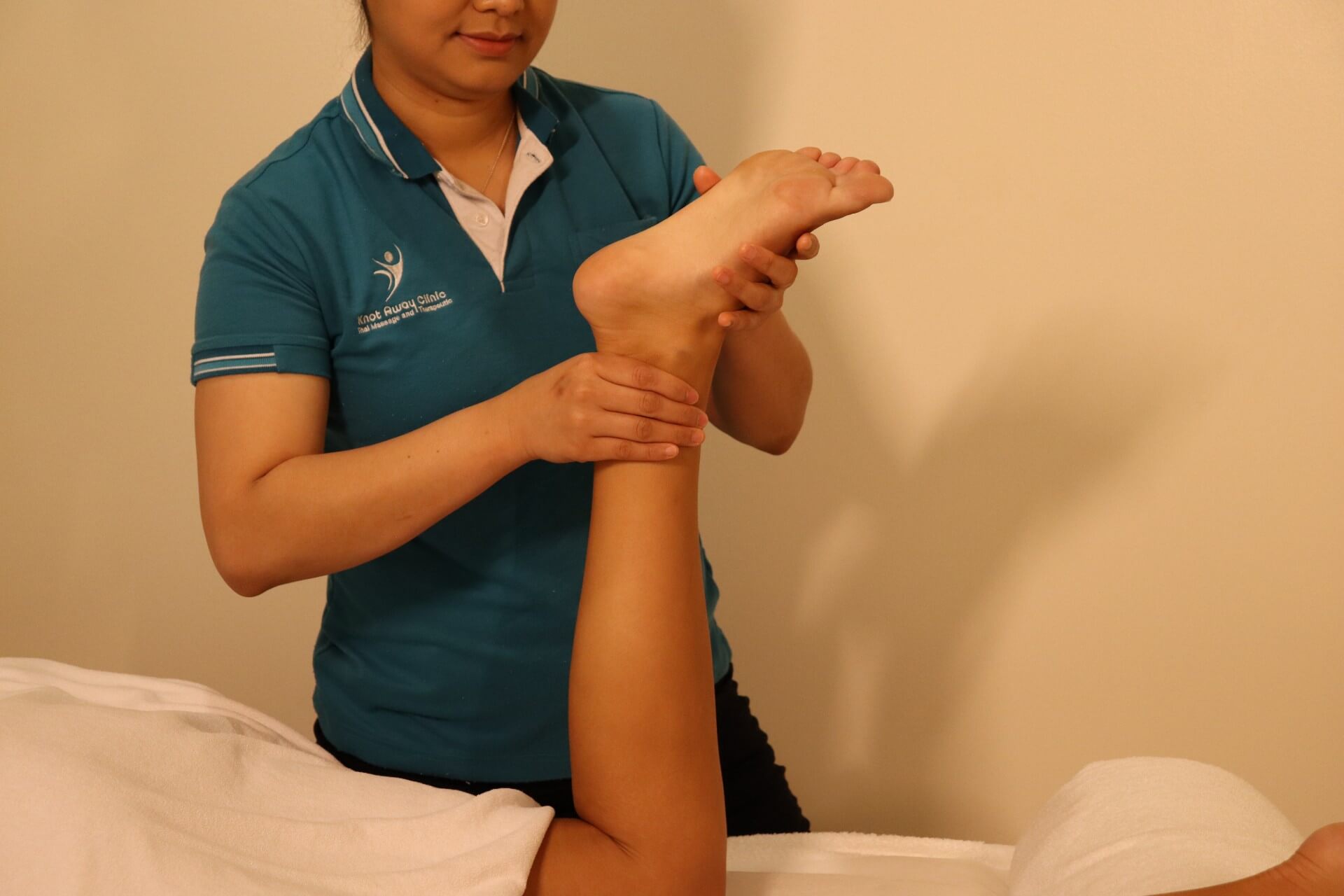
Regular sessions aim to improve tendon capacity and restore normal movement patterns. Therapists may also use manual therapy, ultrasound, or shockwave therapy to promote healing.
Your therapist will monitor your progress and adjust intensity gradually. This step-by-step approach prevents re-injury and ensures that the tendon adapts to increased loading safely.
Stretching and Strengthening Exercises
Targeted exercises rebuild strength and flexibility in the forearm and wrist. Begin with gentle wrist flexor stretches by extending your arm, bending your wrist downward, and holding for 20–30 seconds. Repeat several times daily to reduce stiffness.
Once pain allows, move to eccentric wrist curls using a light dumbbell or resistance band. Support your forearm on a table, lift the wrist with your opposite hand, and lower it slowly over 3–5 seconds.
You can also add isometric holds for wrist extension to maintain tendon activation without aggravating pain.
| Exercise Type: Isometric holds | |
|---|---|
| Focus | Pain control |
| Frequency | Daily |
| Exercise Type: Eccentric wrist curls | |
|---|---|
| Focus | Tendon remodeling |
| Frequency | 3–4 times per week |
| Exercise Type: Wrist flexor stretch | |
|---|---|
| Focus | Flexibility |
| Frequency | 2–3 times per day |
Consistency matters more than intensity. Gradual progression helps the tendon rebuild strength and tolerance.
Preventing Recurrence Through Activity Changes
Preventing tennis elbow from returning requires adjusting how you perform repetitive or forceful tasks. Focus on activity modification—reduce excessive gripping, twisting, or lifting motions that overload the forearm.
If your job or sport involves these actions, use ergonomic tools or adjust your technique to lessen strain. For example, choose lighter rackets, maintain a neutral wrist position, and take regular breaks during repetitive work.
Strengthen supporting muscles in the shoulder and upper back to share the workload across the arm. Balanced strength through the kinetic chain improves performance and reduces stress on the elbow.
Stay attentive to early discomfort. Addressing minor pain promptly prevents chronic irritation and supports long-term tendon health.
Advanced Treatments and When to Seek Help
If rest, physical therapy, and basic care no longer relieve your pain, you may need targeted medical treatments. These options aim to reduce inflammation, stimulate tendon healing, or remove damaged tissue when recovery stalls.

Steroid and PRP Injections
A steroid injection can quickly reduce inflammation and pain around the affected tendon. Doctors often use it when symptoms interfere with work or daily activities. Relief may last weeks or months, but repeated injections can weaken tendon tissue, so they’re used with caution.
Platelet-rich plasma (PRP) injections use your own blood to promote healing. The blood is processed to concentrate platelets, which are then injected into the injured area. PRP aims to encourage tissue repair rather than just mask pain.
Both treatments are performed in a clinic setting, often guided by ultrasound. You might feel soreness for a few days afterward. While PRP may take longer to show results, it can offer more lasting improvement for chronic cases.
| Treatment Type: Steroid Injection | |
|---|---|
| Goal | Reduce inflammation |
| Typical Duration of Relief | Short-term (weeks–months) |
| Key Consideration | Risk of tendon weakening |
| Treatment Type: PRP Injection | |
|---|---|
| Goal | Stimulate tendon healing |
| Typical Duration of Relief | Longer-term (months–year) |
| Key Consideration | Slower onset of relief |
Shockwave Therapy and Other Interventions
Shockwave therapy (also called extracorporeal shock wave therapy) uses sound waves to stimulate blood flow and trigger tissue repair. It’s noninvasive and may help reduce chronic pain when other conservative methods fail.
You typically receive several sessions spaced a week apart. The treatment can cause mild discomfort during application, but most people resume normal activity right away. Studies show gradual improvement over several weeks as new tissue forms.
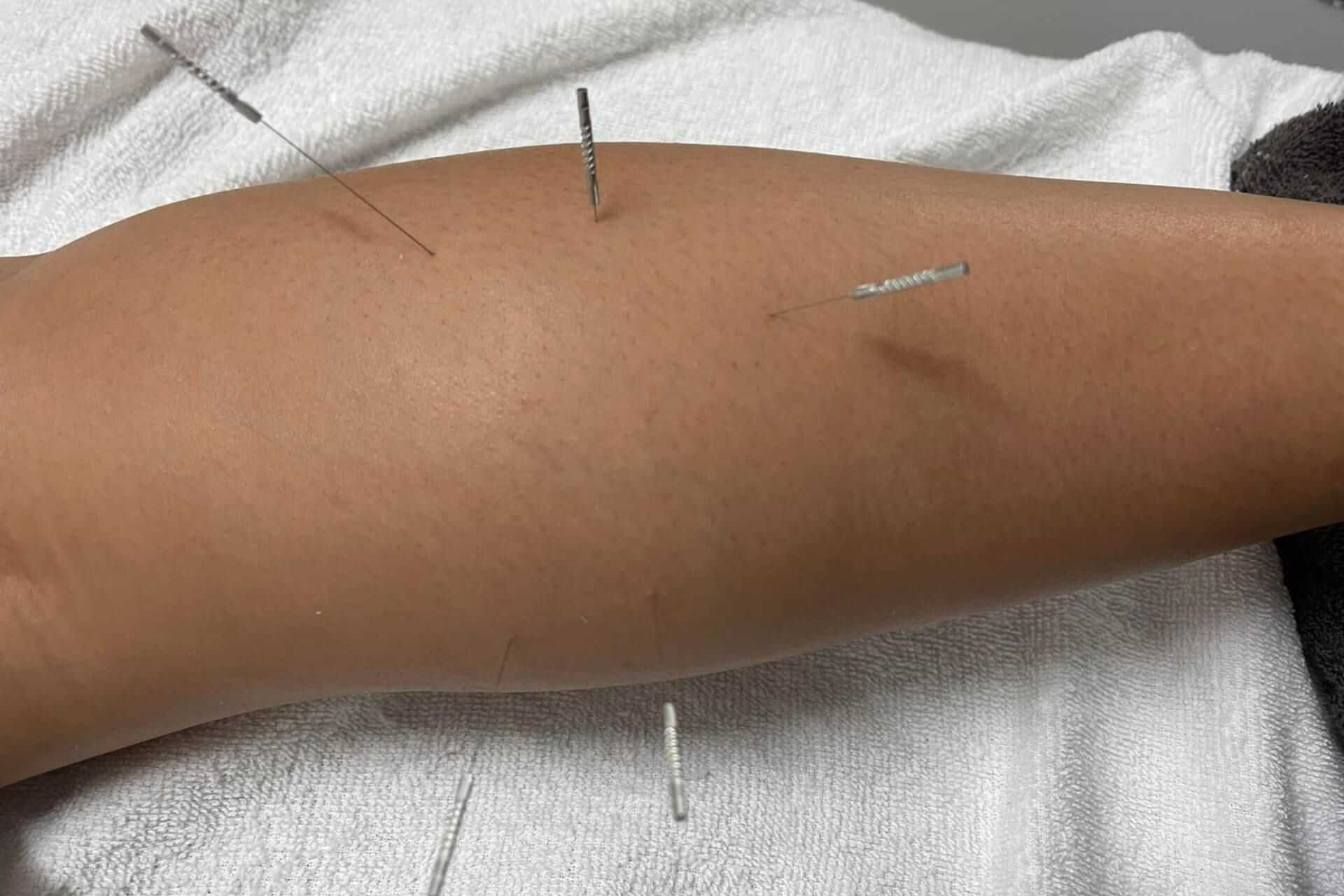
Other options include dry needling, needle fenestration, or ultrasonic tenotomy (TENEX). These procedures use fine needles or ultrasound-guided tools to break down scar tissue and start a new healing process. They are minimally invasive and can shorten recovery time compared to open surgery.
When Surgery May Be Considered
If your symptoms persist for 6–12 months despite therapy, injections, or other interventions, surgery may be appropriate. The goal is to remove damaged tendon fibers and restore normal function.
Surgeons may use an open technique with a small incision or an arthroscopic approach using tiny instruments and a camera. Both methods aim to relieve pain and promote tendon regeneration.
Recovery includes rehabilitation exercises to rebuild strength and flexibility. You’ll likely wear a brace or splint at first, followed by gradual stretching and strengthening. While most people return to normal activities within a few months, consistent follow-up care ensures full recovery and prevents recurrence.
 Book Now
 Buy Gift Card