


Key Takeaways
- Patellofemoral pain syndrome causes discomfort around the kneecap during movement or prolonged sitting
- Overuse, muscle imbalance, and poor alignment are common triggers of knee pain
- Targeted exercises and gradual activity changes can relieve symptoms and prevent recurrence
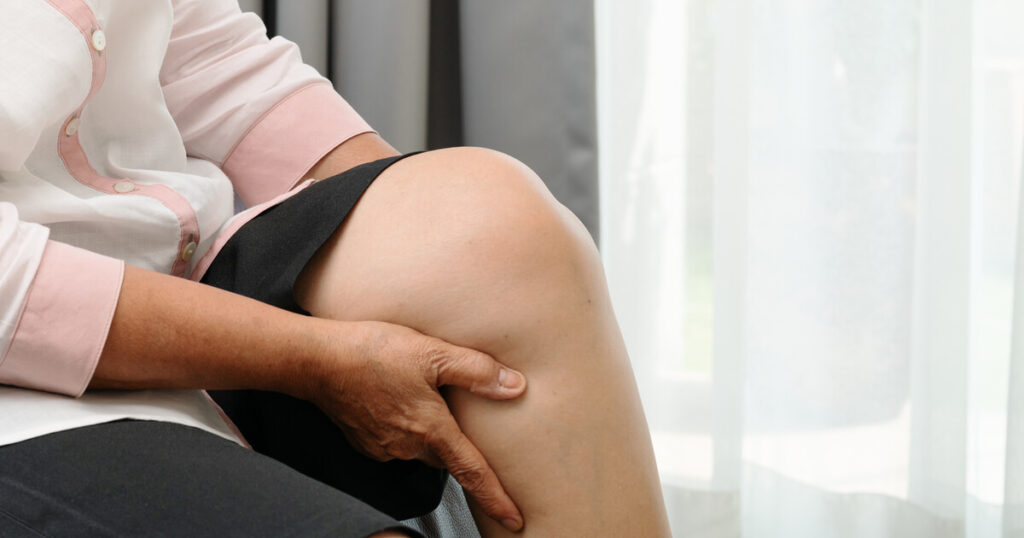
Pain in the front of your knee can make even simple movements uncomfortable. Patellofemoral pain syndrome (PFPS), often called “runner’s knee,” develops when the kneecap doesn’t move smoothly over the femur, causing irritation and discomfort during activities like climbing stairs, squatting, or sitting for long periods. You can ease patellofemoral pain by understanding its causes, recognizing early symptoms, and following targeted exercises that support knee alignment and strength.
You might notice aching or pressure around your kneecap that worsens with activity or after sitting still too long. Overuse, muscle imbalances, or poor movement patterns often trigger PFPS, but the good news is that consistent, evidence-based exercises can help restore balance and reduce pain. Strengthening your hips and thighs, improving flexibility, and adjusting your activity level can make a noticeable difference in daily comfort and performance.
Contents
1. Understanding Patellofemoral Pain Syndrome
- What Is Patellofemoral Pain Syndrome?
- Patellofemoral Joint Anatomy
- Who Is Affected by Patellofemoral Pain Syndrome?
2. Primary Causes of Patellofemoral Pain Syndrome
- Overuse and Repetitive Stress
- Patellar Malalignment and Tracking Issues
- Muscle Imbalances and Weakness
- Other Contributing Factors
3. Recognizing Symptoms and Diagnosis
- Common Symptoms of Patellofemoral Pain
- How Patellofemoral Pain Is Diagnosed
- When to Seek Medical Advice
Understanding Patellofemoral Pain Syndrome
Patellofemoral pain syndrome involves discomfort around or behind your kneecap that often worsens with activity. It relates to how your kneecap moves over your thigh bone and how your muscles and joints work together during motion. Recognizing what causes this pain and who it commonly affects helps you manage symptoms and prevent recurrence.

What Is Patellofemoral Pain Syndrome?
Patellofemoral pain syndrome (PFPS), also called runner’s knee, describes pain at the front of your knee where the patella (kneecap) meets the femur (thigh bone). The pain usually develops gradually rather than from a single injury.
You may feel a dull, aching pain when you run, squat, climb stairs, or sit for long periods with bent knees. This happens because your patella doesn’t move smoothly within its groove at the end of the femur, creating pressure and irritation in the cartilage or surrounding tissues.
Common contributing factors include overuse, muscle imbalance, and poor alignment of the leg or foot. Tight quadriceps, weak hip muscles, or excessive inward knee movement can all increase stress on the patellofemoral joint. PFPS is a clinical diagnosis, meaning it’s identified through your symptoms and physical examination rather than imaging alone.
Patellofemoral Joint Anatomy
The patellofemoral joint connects your kneecap to the groove at the end of your thigh bone. The patella acts as a lever that improves the efficiency of your quadriceps muscle when you straighten your knee.
A thin layer of cartilage lines the back of the patella and the femoral groove, allowing smooth movement. When this alignment is altered—by muscle weakness, tightness, or structural variations—the kneecap may track unevenly, causing friction and pain.
Key structures involved:
| Structure: Patella | |
|---|---|
| Function | Protects the knee joint and improves quadriceps leverage |
| Structure: Femoral trochlea | |
|---|---|
| Function | Guides patellar movement |
| Structure: Quadriceps muscle group | |
|---|---|
| Function | Controls knee extension |
| Structure: Retinaculum and ligaments | |
|---|---|
| Function | Stabilize the patella during motion |
Understanding this anatomy helps you focus on strengthening and flexibility exercises that restore balanced movement.
Who Is Affected by Patellofemoral Pain Syndrome?
PFPS can affect anyone, but it’s most common in young adults, athletes, and people who run or jump frequently. Women experience it more often than men, possibly due to differences in hip and knee alignment.
You may also develop PFPS if you suddenly increase your training intensity, wear improper footwear, or have flat feet that alter leg mechanics. Even people with sedentary lifestyles can experience symptoms after prolonged sitting or kneeling.
Occupations requiring repetitive squatting or stair climbing also raise the risk. Recognizing these patterns allows you to modify daily activities and training habits to reduce knee stress and prevent flare-ups.
Primary Causes of Patellofemoral Pain Syndrome
Patellofemoral pain syndrome often develops from a combination of mechanical stress, muscular imbalance, and movement errors that increase pressure between the patella and femur. Understanding these contributors helps you identify habits and physical factors that place extra strain on your knees and take steps to reduce discomfort and prevent recurrence.

Overuse and Repetitive Stress
Frequent bending and straightening of your knee during activities like running, squatting, or climbing stairs can irritate the tissues around the patella. Repetitive stress increases contact forces within the trochlear groove, leading to inflammation and pain.
You may notice symptoms after suddenly increasing training intensity, duration, or frequency. This “too much, too soon” pattern is common among new runners or athletes returning after rest.
Key stressors include:
- Rapid mileage increases
- Poor shock absorption from footwear
- Hard or uneven running surfaces
Reducing repetitive load, allowing recovery time, and gradually progressing your activity can help restore balance and protect the patellofemoral joint.
Patellar Malalignment and Tracking Issues
If your patella does not glide smoothly within the trochlear groove, uneven pressure develops on the joint surfaces. This misalignment, often called maltracking, can cause pain around or behind the kneecap, especially during bending or squatting.
Common contributors include structural differences such as a high-riding patella (patella alta), increased Q-angle, or rotational alignment of the femur and tibia. Even subtle variations can shift patellar movement laterally, increasing stress on the outer cartilage.
You might see or feel the kneecap move outward as you extend your knee, known as a “J-sign.” Strengthening and retraining surrounding muscles can improve tracking and reduce irritation.
Muscle Imbalances and Weakness
Weakness or delayed activation of the quadriceps muscles, particularly the vastus medialis oblique (VMO), can allow the patella to drift laterally. When the vastus lateralis overpowers the VMO, the kneecap loses central alignment in the trochlear groove.
Hip and core weakness also contribute. Limited strength in the hip abductors and external rotators allows the femur to rotate inward during movement, increasing patellofemoral compression.
Targeted strengthening of the quadriceps, gluteal muscles, and core stabilizers improves knee control and helps distribute forces evenly through the patellar tendon and joint.
Other Contributing Factors
Several additional elements can influence your risk. Foot overpronation alters leg alignment, increasing internal rotation of the tibia and femur. This chain reaction changes how the patella tracks during walking or running.
Tight soft tissues, such as the iliotibial band or lateral retinaculum, can pull the kneecap outward. Conversely, excessive joint laxity may reduce stability.
Environmental and behavioral factors—like improper footwear, sudden weight gain, or training on steep terrain—can add stress to the knee. Identifying and addressing these issues helps you maintain proper joint mechanics and minimize pain recurrence.
Recognizing Symptoms and Diagnosis
Understanding how patellofemoral pain presents and how it is diagnosed helps you take the right steps toward recovery. Identifying the source of your knee pain early allows you to address muscle imbalances, modify activities, and prevent worsening discomfort.

Common Symptoms of Patellofemoral Pain
You may feel a dull, aching pain at the front of your knee, around or behind the patella (kneecap). The pain often develops gradually rather than from a single injury. It can affect one or both knees.
Activities that increase pressure on the patellofemoral joint—such as running, climbing stairs, squatting, or sitting with bent knees—usually make symptoms worse. You might also notice grinding, clicking, or popping when bending or straightening your knee.
Some people experience mild swelling or a feeling that the knee will “give way.” The discomfort often intensifies after long periods of sitting, sometimes called the “moviegoer’s sign.” Tracking when and how your pain occurs can help your clinician pinpoint the cause.
Common triggers include:
- Repetitive running or jumping
- Sudden increases in training intensity
- Weak hip or thigh muscles
- Poor footwear or alignment
How Patellofemoral Pain Is Diagnosed
Diagnosis usually begins with a physical examination. Your clinician will ask about your symptoms, activity level, and any recent changes in training or movement patterns. They will observe how your kneecap moves when you bend and straighten your leg.
Tests often include:
| Test: Patellar tracking assessment | |
|---|---|
| Purpose | Checks how the patella moves in the groove of the femur |
| Test: Muscle strength tests | |
|---|---|
| Purpose | Identifies weakness in quadriceps or hip muscles |
| Test: Range-of-motion evaluation | |
|---|---|
| Purpose | Measures flexibility and joint mobility |
Imaging such as X-rays or MRI may be used to rule out other causes of anterior knee pain, like arthritis or ligament injury. Patellofemoral pain syndrome is typically a diagnosis of exclusion, meaning it’s confirmed when no structural damage explains your symptoms.
When to Seek Medical Advice
You should contact a healthcare provider if your knee pain persists longer than a few days, limits movement, or interferes with daily tasks. Pain that worsens despite rest, or swelling that does not subside, also requires evaluation.
Seek prompt care if you experience locking, instability, or significant swelling, as these may signal a different knee condition. Early assessment helps prevent chronic pain and allows for targeted treatment such as physical therapy or activity modification.
If you’re unsure whether your discomfort is normal soreness or patellofemoral pain, a brief evaluation can clarify the cause and guide safe exercise adjustments.
Evidence-Based Exercises for Patellofemoral Pain Relief
Targeted exercise can reduce patellofemoral pain and help you regain normal movement. Strengthening the quadriceps and hip muscles, improving flexibility, and choosing low-impact activities are key steps to restore knee function and support long-term pain relief.

Quadriceps and Hip Strengthening
Strong quadriceps muscles help stabilize the patella and reduce stress on the knee joint. Focus on controlled, pain-free movement rather than heavy resistance.
Common exercises include:
- Straight leg raises – strengthen the quadriceps without knee bending.
- Wall sits – build endurance in the quadriceps.
- Clamshells and side-lying leg lifts – target the gluteus medius for hip stability.
Research supports combining hip- and knee-focused exercises. This approach improves alignment and reduces patellofemoral joint load. Perform 2–3 sets of 10–15 repetitions, several times per week, under the guidance of a physical therapy professional.
Flexibility and Mobility Exercises
Tight muscles around the knee and hip can worsen patellofemoral pain. Stretching improves movement efficiency and reduces discomfort during daily activities.
Focus on key areas:
| Muscle Group: Quadriceps | |
|---|---|
| Stretch Example | Standing quad stretch |
| Duration | 30 seconds each leg |
| Muscle Group: Hamstrings | |
|---|---|
| Stretch Example | Seated forward reach |
| Duration | 30 seconds |
| Muscle Group: Iliotibial band | |
|---|---|
| Stretch Example | Side-leaning stretch |
| Duration | 30 seconds |
| Muscle Group: Calves | |
|---|---|
| Stretch Example | Wall calf stretch |
| Duration | 30 seconds |
Gentle foam rolling or soft tissue work can also relieve tension. Move slowly and avoid forcing range of motion. Regular flexibility exercises support better knee tracking and complement strengthening routines.
Low-Impact Activities for Recovery
When pain limits running or jumping, low-impact activities help maintain fitness without aggravating symptoms. Swimming, cycling, or using an elliptical provide cardiovascular benefits while minimizing knee stress.
Swimming is especially beneficial because the buoyancy reduces joint load while allowing full range of motion. Stationary cycling with moderate resistance strengthens the quadriceps and improves circulation.
You can also try walking in water or using resistance bands for gentle strengthening. Keep movements smooth and controlled. These activities promote recovery, maintain endurance, and support gradual return to higher-impact exercise once pain decreases.
Additional Management and Prevention Strategies
Managing patellofemoral pain involves more than exercises alone. You can reduce discomfort, improve knee function, and lower your risk of recurrence by adjusting daily activities, using supportive devices, and following sound pain relief and prevention practices.

Activity Modification and Rest
You should reduce or temporarily stop activities that worsen knee pain, such as deep squats, running on hills, or stair climbing. Allowing your knee to rest helps calm inflammation and prevent further irritation of the patellofemoral joint.
Low-impact alternatives like swimming, cycling, or using an elliptical can help maintain fitness without excessive joint stress. Gradually reintroduce higher-impact activities once pain decreases and strength improves.
Use a pain-monitoring approach—if discomfort rises above mild levels (for example, 3/10 on a pain scale), scale back your activity. This method supports steady recovery while keeping you active.
Orthotics and Shoe Inserts
Foot mechanics influence how the kneecap tracks during movement. If you have flat feet or excessive pronation, prefabricated orthotics or custom shoe inserts can help align the leg and reduce knee strain.
A physical therapist or podiatrist can assess your gait and recommend the right support. Prefabricated inserts are often effective and cost-efficient, especially when combined with strengthening exercises.
Replace worn-out shoes regularly, as old footwear loses cushioning and stability. Proper arch support and shock absorption reduce patellofemoral joint load during walking and running.
| Type: Prefabricated orthotics | |
|---|---|
| Purpose | Support arches and improve alignment |
| When to Use | Mild to moderate overpronation |
| Type: Custom orthotics | |
|---|---|
| Purpose | Tailored correction for significant biomechanical issues |
| When to Use | Persistent or recurrent pain |
| Type: Cushioned shoe inserts | |
|---|---|
| Purpose | Absorb impact |
| When to Use | High-impact activities |
Medication and Pain Relief Options
Short-term pain control can make rehabilitation easier. Over-the-counter ibuprofen or other nonsteroidal anti-inflammatory drugs (NSAIDs) help reduce pain and swelling. Always follow dosage guidelines and consult your healthcare provider if you have stomach, kidney, or heart conditions.
You can also use ice therapy for 10–15 minutes after activity to manage soreness. Some people find relief from patellar taping or light compression sleeves, which may improve comfort and confidence during movement.
Avoid relying solely on medications. Combine them with physical therapy, stretching, and strengthening to address the root cause of pain rather than just the symptoms.
Long-Term Prevention Tips
Consistent maintenance prevents recurrence. Keep your quadriceps, hip abductors, and core muscles strong to support proper knee alignment. Include flexibility exercises for the hamstrings, calves, and iliotibial band to reduce tension around the patella.
Maintain a healthy body weight to limit pressure on the knee joint. Gradually increase training loads instead of making sudden jumps in intensity or distance.
Pay attention to early warning signs such as mild knee discomfort or stiffness. Addressing these quickly with rest, exercise adjustments, or professional guidance helps you stay active and avoid chronic pain.
 Book Now
 Buy Gift Card