
Key Takeaways
- Tension-type headaches cause mild to moderate pressure or tightness around the head.
- Stress, poor posture, and muscle strain often trigger these headaches.
- Simple lifestyle adjustments and proper care can reduce frequency and discomfort.
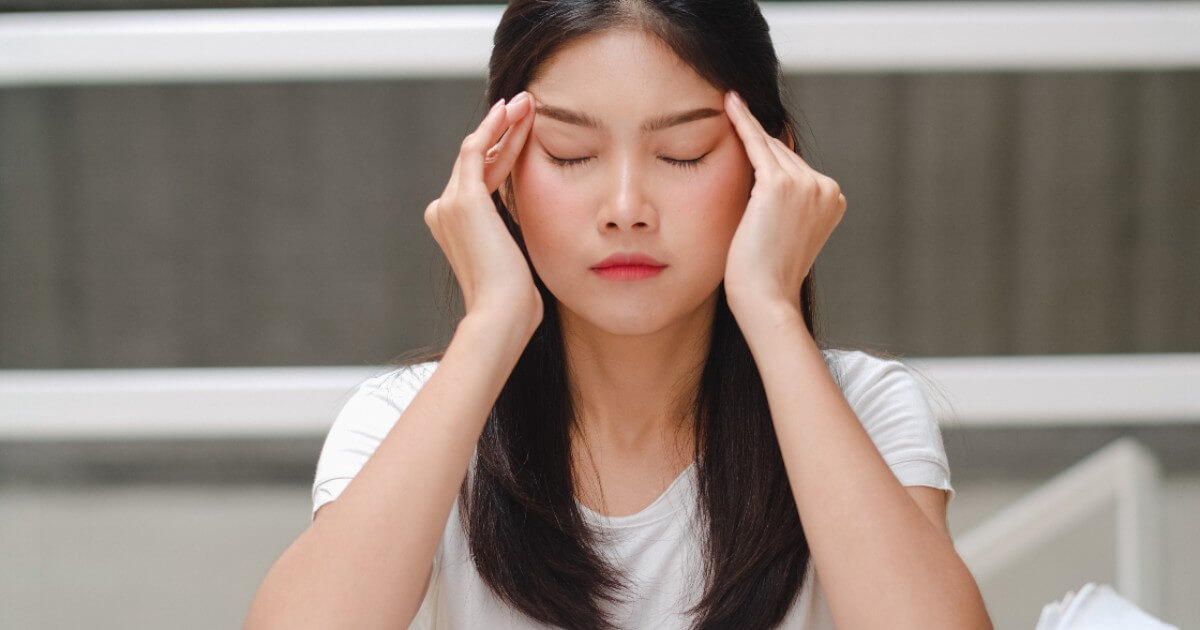
A dull, tightening pain wraps around your head and neck, making it hard to focus or relax. It’s not a migraine, but it’s enough to slow you down. A tension-type headache happens when stress, posture, or muscle strain trigger mild to moderate pain that feels like pressure or tightness around your head.
You might notice it after a long day at a desk, during stressful moments, or when you forget to take breaks. These headaches are common and often manageable with simple changes in daily habits, stress management, and the right treatment plan. Understanding what causes them helps you take control instead of waiting for the pain to fade on its own.
Knowing how to recognize the signs and manage them effectively can make a real difference in your comfort and productivity. Once you understand why they happen, you can take practical steps to prevent them and find relief that lasts.
Contents
1. Understanding Tension-Type Headaches
- What Are Tension-Type Headaches?
- Key Differences from Migraine
- Epidemiology and Prevalence
2. Common Causes and Risk Factors
- Stress and Emotional Triggers
- Muscle Tension and Myofascial Pain
- Genetic and Environmental Influences
3. Symptoms and Diagnosis
- Typical Headache Symptoms
- Chronic Versus Episodic Headaches
- Associated Features and Comorbidities
- Diagnostic Criteria and Imaging
4. Relief and Treatment Approaches
- Acute Pain Management
- Preventive Medications and Therapies
- Physical and Manual Therapy
- Psychological Interventions and Stress Management
5. Living with Tension-Type Headaches
- Lifestyle Modifications and Self-Care
- Patient Education and Support
- When to Seek Medical Help
Understanding Tension-Type Headaches
You experience a tension-type headache (TTH) when stress, muscle tension, or altered pain processing trigger mild to moderate head pain. Recognizing what defines this headache, how it differs from migraine, and how common it is helps you manage symptoms more effectively and seek the right care.

What Are Tension-Type Headaches?
Tension-type headache is the most common primary headache disorder. It often presents as a bilateral, pressing, or tightening pain that feels like a band around your head. The pain is usually mild to moderate and not worsened by routine activity.
Unlike migraine, TTH rarely causes nausea or sensitivity to light and sound. You may notice tightness in the neck or scalp muscles. Episodes can last from 30 minutes to several days, depending on whether the condition is episodic or chronic.
- Episodic TTH: Occurs fewer than 15 days per month.
- Chronic TTH: Occurs 15 or more days per month for at least three months.
Muscle tenderness, poor posture, and psychosocial stress often play a role. Central nervous system sensitization—where your brain becomes more responsive to pain signals—also contributes, especially in chronic cases.
Key Differences from Migraine
Tension-type headache and migraine share overlapping features but differ in important ways. Migraine pain is typically unilateral, pulsating, and aggravated by movement. It often includes nausea, vomiting, photophobia, or phonophobia. In contrast, TTH pain is bilateral, steady, and not worsened by physical activity.
| Feature | Tension-Type Headache | Migraine |
|---|---|---|
| Pain Quality | Pressing, tightening | Throbbing, pulsating |
| Location | Both sides of head | Usually one side |
| Intensity | Mild to moderate | Moderate to severe |
| Associated Symptoms | Rare nausea or light sensitivity | Common nausea, light/sound sensitivity |
| Duration | 30 minutes–7 days | 4–72 hours |
Understanding these distinctions helps you describe your symptoms accurately, which improves diagnosis and treatment selection.
Epidemiology and Prevalence
Tension-type headache affects people worldwide and across all age groups. Studies estimate a global prevalence of about 26%, making it the most frequent headache disorder. Women are slightly more affected than men, with a female-to-male ratio of roughly 1.2:1.
Prevalence increases during adolescence and peaks in middle adulthood. Many people first experience TTH in their teens, often linked to school or work-related stress.
Chronic TTH, though less common, imposes a higher burden due to its persistence and impact on daily function. It contributes significantly to healthcare visits, reduced productivity, and disability, emphasizing the importance of early recognition and management strategies.
Common Causes and Risk Factors
Tension-type headaches often develop from a combination of psychological stress, muscle strain, and individual susceptibility. You can reduce their frequency and severity by identifying these underlying factors and addressing them through lifestyle adjustments and targeted therapies.

Stress and Emotional Triggers
Emotional strain is one of the most frequent contributors to tension-type headaches. When you experience stress, anxiety, or mental fatigue, your body releases stress hormones that increase muscle tension and alter pain perception.
Chronic stress can lead to persistent activation of the body’s “fight or flight” response. This sustained tension often manifests as a dull, pressure-like headache that worsens during periods of emotional demand.
Common stress-related triggers include:
- Workload pressure
- Interpersonal conflict
- Sleep disruption
- Excessive screen time
You can manage emotional triggers through relaxation training, cognitive behavioural therapy (CBT), or mindfulness-based stress reduction. These techniques help you recognize early signs of tension and reduce the physiological response that leads to pain.
Muscle Tension and Myofascial Pain
Persistent tightness in the cranio-cervical region—including the neck, shoulders, and scalp—plays a major role in tension-type headaches. Overuse or poor posture can cause muscle tenderness and myofascial trigger points, which refer pain to the head.
Activities such as sitting at a desk for long hours or clenching your jaw can maintain this tension. The pain usually feels like a tight band wrapping around your head, especially in the frontal or occipital areas.
To ease muscle-related pain, focus on:
- Regular stretching and posture correction
- Physiotherapy or massage
- Heat therapy for localized muscle relaxation
Addressing myofascial pain early prevents chronic sensitization and helps restore normal muscle function.
Genetic and Environmental Influences
Some people may have a genetic predisposition that increases their sensitivity to pain or their likelihood of developing recurrent headaches. This does not guarantee you will experience them, but it may explain why tension-type headaches run in families.
Environmental factors also contribute. Lack of sleep, fatigue, missed meals, and poor ergonomics can all lower your threshold for pain. Living in high-stress or noisy environments can further amplify symptoms.
Keeping a headache diary can help you identify consistent triggers. By recognizing patterns in your daily routine, you can make targeted changes—such as improving sleep hygiene or adjusting workspace ergonomics—to reduce your overall risk.
Symptoms and Diagnosis
Tension-type headaches usually cause mild to moderate pain that feels tight or pressing rather than throbbing. You can often identify them by their pattern, frequency, and lack of severe neurological symptoms that appear in other headache types.
Typical Headache Symptoms
You may feel a dull, steady ache on both sides of your head. The pain often starts at the back of your head or neck and spreads forward like a band of pressure.
Unlike migraines, tension-type headaches rarely cause nausea, vomiting, or sensitivity to light and sound. You can usually continue daily activities, though the discomfort can still interfere with concentration and energy.
Common physical findings include pericranial muscle tenderness, especially in the neck, scalp, or shoulders. Touching these areas may increase discomfort. Some people also describe tightness in the jaw or temples.
Keeping a headache diary that tracks onset, duration, and triggers—such as stress or eye strain—can help you and your clinician recognize consistent patterns.
Chronic Versus Episodic Headaches
Tension-type headaches fall into two main categories based on frequency:
| Type | Frequency | Duration | Typical Impact |
|---|---|---|---|
| Episodic | Fewer than 15 days per month | 30 minutes to several days | Usually mild to moderate; often resolves with rest or over-the-counter medication |
| Chronic | 15 or more days per month for at least 3 months | May vary throughout the day | More persistent; can affect mood, sleep, and daily function |
Chronic headaches often relate to sleep disturbances, ongoing stress, or musculoskeletal strain. You may notice that pain intensity fluctuates but rarely disappears completely.
Episodic headaches, by contrast, tend to develop later in the day and ease with relaxation or short breaks. Tracking frequency helps determine whether your headaches are evolving into a chronic pattern that needs preventive strategies.
Associated Features and Comorbidities
Tension-type headaches often coexist with neck pain, eye strain, or temporomandibular joint (TMJ) dysfunction. Poor posture, extended screen time, or muscle fatigue can worsen these symptoms.
Emotional stress also plays a major role. Anxiety and depression frequently accompany chronic tension-type headaches, creating a cycle where emotional distress increases muscle tension and vice versa.
You might also experience sleep disturbances, such as difficulty falling asleep or nonrestorative sleep, which can heighten headache frequency. Addressing these factors—through ergonomic adjustments, stress management, and sleep hygiene—can reduce recurrence and improve overall well-being.
Diagnostic Criteria and Imaging
Diagnosis relies mainly on your symptom history and a normal neurological examination. Your healthcare provider will ask detailed questions about headache duration, intensity, and triggers.
Typical diagnostic criteria include:
- Bilateral, pressing, or tightening pain
- Mild to moderate intensity
- No nausea or vomiting
- Not aggravated by routine physical activity
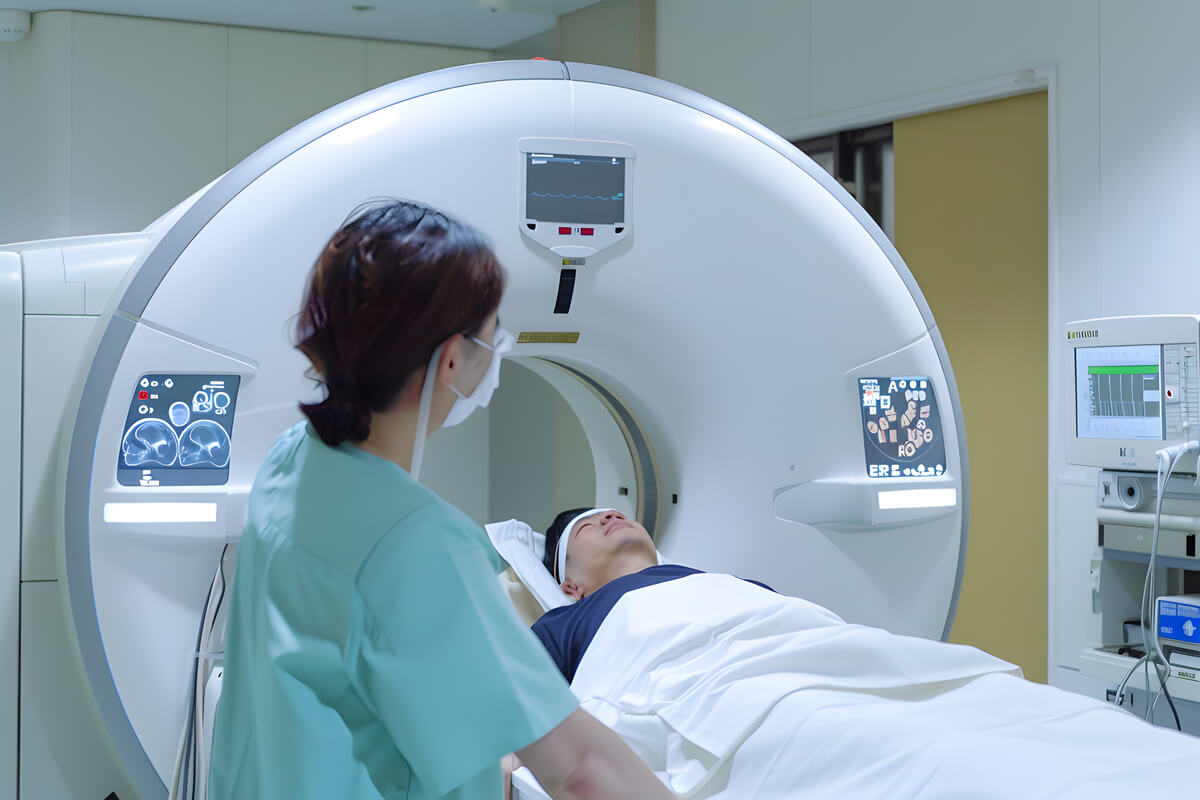
Imaging studies such as magnetic resonance imaging (MRI) or computed tomography (CT) are usually unnecessary unless you have unusual symptoms, new-onset severe pain, or neurological deficits.
Your clinician may also check for pericranial muscle tenderness by gently palpating scalp and neck muscles. This helps confirm the diagnosis and rule out other causes like migraine or secondary headache disorders.
Relief and Treatment Approaches
Managing tension-type headaches involves a combination of pain control, preventive strategies, physical rehabilitation, and psychological support. You can often reduce headache frequency and intensity by addressing both the physical and emotional factors that contribute to muscle tension and stress.

Acute Pain Management
When a headache begins, your goal is to relieve pain quickly and safely. Over-the-counter analgesics such as aspirin, acetaminophen, or nonsteroidal anti-inflammatory drugs (NSAIDs) like ibuprofen are often effective for mild to moderate pain.
Take these medications early in the episode for best results. Avoid frequent use—more than 10 to 15 days per month—to prevent medication-overuse headaches.
Some people find benefit from combination analgesics that include caffeine, but these should be used cautiously. Applying a cold or warm compress to the neck or temples and resting in a quiet, dark room can also ease discomfort.
| Common Acute Medications | Typical Use | Key Caution |
|---|---|---|
| Aspirin | Mild to moderate pain | May irritate the stomach |
| Ibuprofen (NSAID) | Inflammation-related pain | Avoid long-term overuse |
| Acetaminophen | General pain relief | Monitor total daily dose |
Preventive Medications and Therapies
If you experience frequent or chronic headaches, preventive treatment can reduce how often they occur. Amitriptyline, a tricyclic antidepressant, is the most widely used preventive medication. It helps stabilize pain pathways and improve sleep quality.
Other options include nortriptyline or mirtazapine, prescribed when amitriptyline causes side effects. These are taken daily, not just during pain episodes.
Regular follow-up with your healthcare provider ensures the dose remains effective and safe. Preventive therapy works best when combined with healthy habits such as consistent sleep, hydration, and balanced nutrition.
| Medication | Purpose | Common Benefit |
|---|---|---|
| Amitriptyline | Prevent chronic headaches | Reduces frequency and intensity |
| Nortriptyline | Alternative antidepressant | Fewer sedative effects |
| Mirtazapine | Sleep and mood support | May reduce headache recurrence |
Physical and Manual Therapy
Physical therapy and manual therapy target the muscle tension and posture issues that often trigger headaches. A therapist may guide you through stretching, strengthening, and relaxation exercises for the neck, shoulders, and upper back.
Manual techniques, such as soft tissue mobilization or joint manipulation, can reduce muscle tightness and improve range of motion.
These treatments focus on the cranio-cervical-mandibular region, which often contributes to pain. Consistent sessions can decrease headache frequency and intensity, especially when paired with at-home exercises that improve posture and ergonomics.
| Technique | Focus Area | Expected Benefit |
|---|---|---|
| Manual therapy | Neck and upper back | Reduces muscle tension |
| Postural training | Work and daily habits | Prevents recurrence |
| Therapeutic exercise | Cervical mobility | Improves function |
Psychological Interventions and Stress Management
Because stress and anxiety frequently trigger tension-type headaches, psychological interventions play a key role in long-term relief. Cognitive-behavioral therapy (CBT) helps you identify stress patterns and replace unhelpful thoughts with practical coping strategies.
Relaxation techniques—such as controlled breathing, progressive muscle relaxation, and mindfulness—can lower muscle tension and reduce the likelihood of headaches.
Developing consistent stress management habits, including regular exercise, adequate sleep, and time for rest, supports both physical and emotional well-being. You can also keep a headache diary to track triggers and progress, making it easier to adjust your treatment plan effectively.
Living with Tension-Type Headaches
Managing tension-type headaches involves consistent daily habits, informed self-care, and knowing when professional evaluation is necessary. You can reduce headache frequency and discomfort by adjusting your lifestyle, learning about triggers, and seeking timely medical advice.
Lifestyle Modifications and Self-Care
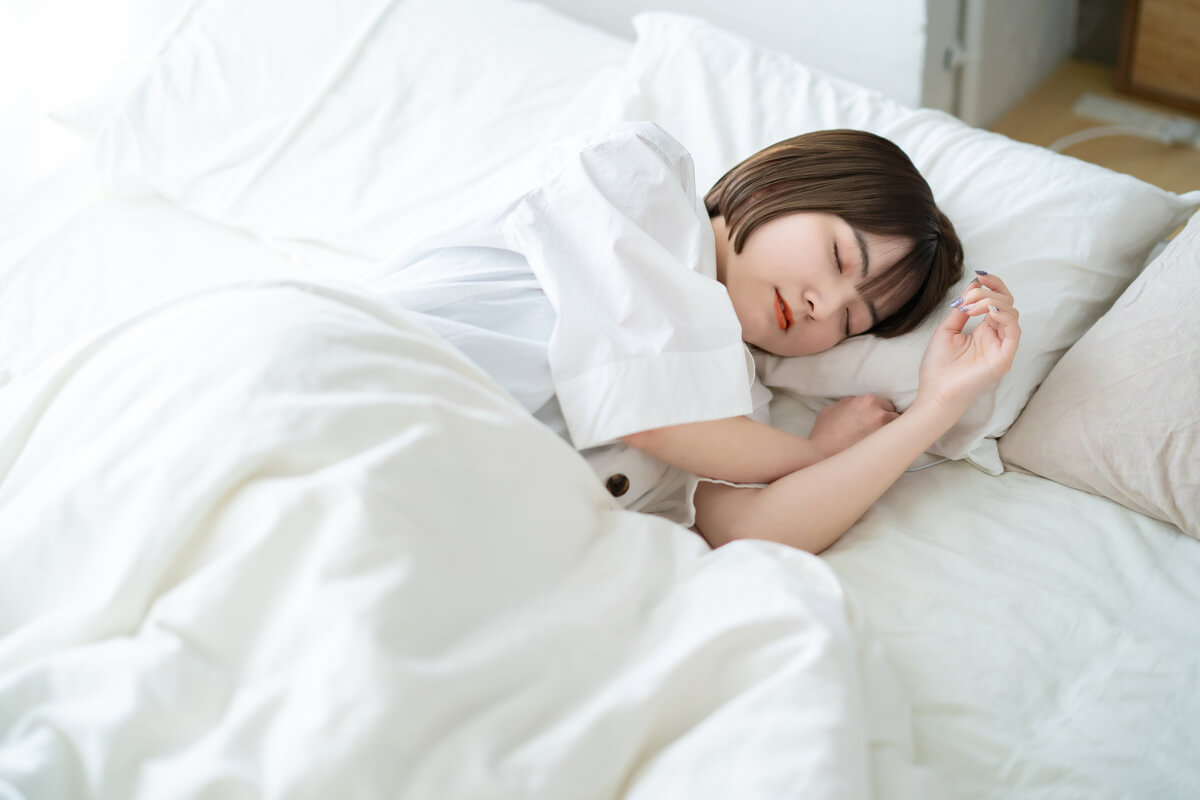
Regular routines play a key role in preventing and easing tension-type headaches. Sleep, hydration, and nutrition directly affect headache frequency. Aim for 7–9 hours of sleep each night, eat balanced meals without skipping breakfast, and drink enough water throughout the day.
Exercise helps release natural pain-relieving chemicals. Low-impact activities such as walking, swimming, or cycling improve circulation and reduce muscle tension. Avoid sudden, intense workouts that may trigger pain.
Stress management is equally important. Try deep-breathing, progressive muscle relaxation, or gentle stretching. Taking short breaks during long work periods can lower muscle strain in the neck and shoulders.
If you use caffeine, keep intake below about 400 mg per day. Overuse or withdrawal can cause headaches. Limit pain relievers to fewer than 10 days per month to prevent medication overuse headaches.
| Habit | Helpful Practice |
|---|---|
| Sleep | Keep consistent bedtime and wake time |
| Nutrition | Eat balanced meals; avoid skipping |
| Exercise | Moderate activity 3-5 times weekly |
| Stress | Practice relaxation or mindfulness |
Patient Education and Support
Understanding your condition helps you manage it effectively. Learn to recognize personal triggers, such as poor posture, skipped meals, or emotional stress. Keeping a headache diary can help identify patterns in timing, duration, and contributing factors.
Ask your healthcare provider about the difference between tension-type and other headache disorders, such as migraines. This knowledge helps you choose the right treatment and avoid unnecessary medication.
Support groups, both in person and online, can provide shared experiences and coping strategies. Education from reputable sources—such as the American College of Cardiology (ACC) or patient networks (PNE)—can improve your confidence in managing symptoms.
Encourage open communication with your care team. Discuss how lifestyle changes, physical therapy, or non-drug treatments fit into your plan for headache control.
When to Seek Medical Help
You should contact a healthcare professional if your headaches change in pattern, become daily, or stop responding to usual treatments. Persistent or severe pain may indicate another underlying condition that requires evaluation.
Seek urgent care if your headache is sudden and intense, follows a head injury, or is accompanied by confusion, fever, or vision changes. These symptoms may require immediate medical attention.
A physician can perform a detailed assessment, rule out secondary causes, and guide you toward preventive options. Treatments may include prescription medications, physical therapy, or behavioral interventions.
Early and accurate diagnosis helps prevent chronic headache patterns and improves your ability to manage pain safely and effectively.
Find lasting relief from tension-type headaches
Our expert therapists at Knot Away Clinic create personalised, evidence-based treatment plans to ease muscle tension and help relieve your headaches. Explore our therapeutic services or book your session today.