
Key Takeaways
- Learn what shin splints are and why they develop
- Discover safe and effective treatment methods
- Apply practical steps to prevent future flare-ups
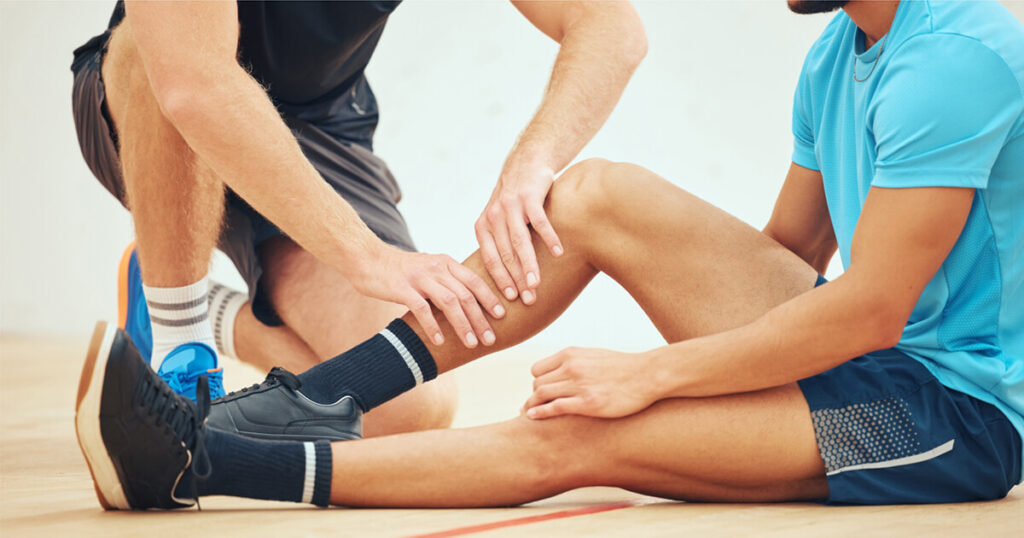
Pain along your shins after a run or workout can feel frustrating and confusing. You push through, hoping it will fade, but it often lingers or worsens with each step. Shin splints happen when repeated stress on your lower legs causes inflammation in the muscles, tendons, and bone tissue around your tibia. Understanding why they occur helps you take control of your recovery and prevent them from returning.
You can manage shin splints effectively by addressing the root causes—training errors, poor footwear, or muscle imbalances. With the right approach, you can reduce pain, restore strength, and return to activity safely. This guide breaks down what’s really happening in your legs and how to fix it before it limits your performance.
Contents
What Are Shin Splints?
Shin splints involve pain and tenderness along the inner edge of your shinbone caused by repetitive stress on the lower leg. They often develop when you increase training intensity or frequency too quickly, leading to inflammation in the muscles, tendons, and bone tissue of the lower leg.
Definition and Overview
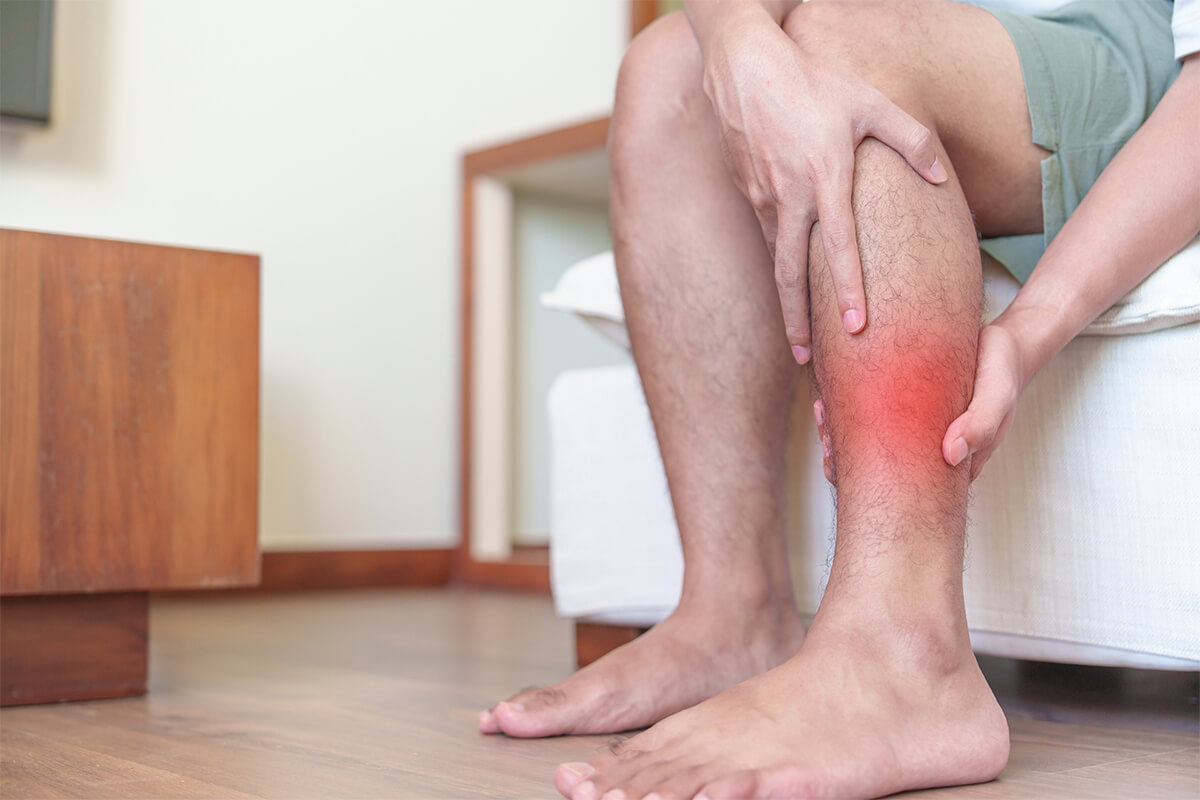
Shin splints, medically known as medial tibial stress syndrome (MTSS), describe pain along the inner border of your tibia. The condition results from repetitive impact or overuse that irritates the bone and surrounding connective tissues.
You commonly experience this pain during or after exercise, especially in activities involving running or jumping. The discomfort usually spreads over a broad area rather than a single pinpoint spot, which helps differentiate shin splints from a stress fracture.
The pain stems from microtrauma—tiny injuries to the tissue attaching muscles to the bone. Over time, these small strains cause inflammation and tenderness. While the condition is not typically dangerous, ignoring it can delay recovery or lead to more serious stress injuries.
Common Symptoms
You may notice a dull, aching pain along the inside of your lower leg, often worsening with activity and easing with rest. The pain can appear in one or both legs and may feel sharp when you press on the affected area.
Common signs include:
- Diffuse tenderness along the inner shinbone
- Mild swelling or warmth in the lower leg
- Pain early in exercise that may ease as you continue, then return afterward
Symptoms often develop gradually rather than suddenly. If pain becomes localized or severe, it may indicate a stress fracture or another condition requiring medical evaluation. Recognizing early signs and adjusting your activity helps prevent worsening injury.
Who Is Most at Risk
You face a higher risk of shin splints if you engage in high-impact or repetitive activities such as running, dancing, or military training. Rapidly increasing workout intensity, frequency, or duration also raises your risk.
People with flat feet, rigid arches, or poorly fitting footwear experience more strain on the lower leg, making them more prone to MTSS.
Additional risk factors include:
- Sudden changes in training surfaces (e.g., grass to concrete)
- Weak calf or hip muscles
- Inadequate warm-up or stretching routines
- Higher body weight increasing leg stress
Understanding these factors allows you to adjust your training habits and footwear choices to reduce the likelihood of developing shin splints.
Primary Causes of Shin Splints
Shin splints often result from repeated stress on the lower leg muscles and bones. The condition usually develops when your training habits, footwear, or movement patterns place more strain on the shinbone than it can handle.

Overuse and Repetitive Stress
You develop shin splints most often when your lower leg tissues cannot recover between workouts. Repetitive impact from running, jumping, or marching irritates the muscles and connective tissue along the tibia.
Over time, small tears form where muscles attach to the bone. This leads to inflammation and pain along the front or inner edge of your shin.
You can reduce this risk by balancing training with adequate rest. Cross-training, such as swimming or cycling, helps limit repetitive loading while maintaining fitness. Gradually increasing mileage—no more than about 10% per week—also prevents excessive stress on your shins.
Improper Footwear
Worn-out or unsuitable shoes can increase strain on your lower legs. Footwear that lacks cushioning or proper support forces your muscles to absorb more shock with each step.
If you run frequently, replace shoes every 300–500 miles or when the soles lose structure. Using the wrong type of shoe for your gait—such as neutral shoes for overpronators—can also worsen shin pain.
You can identify the right shoe by having your gait analyzed at a specialty running store or by a physical therapist. Supportive insoles or orthotics may further improve alignment and reduce pressure on the tibia.
Flat Feet and Biomechanical Issues
Flat feet, overpronation, or other alignment problems change how your leg absorbs impact. When your arch collapses, your lower leg rotates inward, increasing tension on the muscles and fascia near the shinbone.
Common biomechanical issues include:
- Overpronation: Foot rolls inward too much.
- Oversupination: Foot rolls outward excessively.
- Leg length differences: Uneven loading between legs.
You can manage these issues through corrective footwear, custom orthotics, or strengthening exercises for the foot and ankle. Addressing these underlying mechanics helps prevent recurring shin pain and supports better running efficiency.
Sudden Changes in Activity
A rapid increase in training intensity, duration, or surface hardness can overload your lower legs. Your bones and muscles need time to adapt to new stress levels.
For example, switching from treadmill running to concrete or adding hill sprints without preparation can trigger shin splints.
To avoid this, increase activity gradually and include rest days in your schedule. Warm up before workouts and stretch your calves and ankles afterward. Controlled progression and consistent recovery give your body time to strengthen and adapt safely.
Diagnosing Shin Splints
Accurately identifying shin splints helps you manage pain early and prevent further injury. Diagnosis focuses on pinpointing the cause of your leg pain, ruling out more serious conditions, and confirming inflammation or stress along the tibia.

When to Seek Medical Attention
You should contact a healthcare provider if pain along your shin persists after rest or worsens during light activity. Sharp or localized pain, swelling, or tenderness that doesn’t improve within a few days may indicate a stress fracture rather than a simple overuse injury.
Seek immediate evaluation if you notice:
- Pain on one side of the shin only
- Visible swelling or redness
- Pain that interrupts sleep or daily movement
If you have a history of osteoporosis, recent training changes, or are in a high-impact sport, early medical attention can prevent complications. A clinician can distinguish between shin splints and other lower leg conditions, ensuring you receive appropriate care before the injury progresses.
Physical Examination
During an exam, your clinician will ask about your activity level, training changes, and footwear. They will press along the inner and outer edges of your tibia to locate tenderness and assess pain response.
You may be asked to walk, jog, or perform light hopping to evaluate how movement affects your discomfort. Pain that spreads over a broad area of the shin usually supports a shin splint diagnosis, while pinpoint tenderness may suggest a stress fracture.
Clinicians also check for muscle tightness, foot arch alignment, and gait abnormalities. These physical clues help identify contributing factors, such as overpronation or weak calf muscles, that can be corrected to reduce recurrence.
Imaging and Differential Diagnosis
Imaging is not always required but becomes useful if symptoms persist or the diagnosis is uncertain. X-rays can rule out fractures, while MRI or bone scans detect early stress reactions that may not appear on standard imaging.
Your healthcare provider may compare findings with other possible causes of shin pain, such as:
| Condition | Key Distinguishing Feature |
|---|---|
| Stress fracture | Localized pain and swelling |
| Compartment syndrome | Tightness and numbness during exercise |
| Tendonitis | Pain following specific tendon movement |
Accurate imaging and comparison prevent misdiagnosis and guide the safest return-to-activity plan.
Effective Treatment Options
Managing shin splints requires addressing the underlying stress on the lower leg, reducing inflammation, and restoring proper movement patterns. You can usually recover with consistent care that balances rest, gradual loading, and targeted therapy.

Rest and Activity Modification
Reducing repetitive impact is the most critical first step. You need to pause or scale back running, jumping, or other high-impact activities that aggravate pain. Replace them with low-impact options such as swimming, cycling, or using an elliptical.
Aim for relative rest, not complete inactivity. Gentle mobility work and stretching maintain circulation and prevent stiffness. You can gradually reintroduce weight-bearing activity once walking is pain-free.
A simple guideline:
| Pain Level | Recommended Action |
|---|---|
| Mild discomfort | Reduce training volume by 25–50% |
| Moderate pain | Stop running; switch to low-impact exercise |
| Severe pain | Rest completely and consult a clinician |
Listening to your body prevents chronic irritation and speeds recovery.
Ice and Pain Management
Applying ice packs for 15–20 minutes several times daily can help limit inflammation, especially after activity. Always use a cloth barrier to protect your skin.
Gentle compression sleeves or elastic bandages can reduce swelling and provide light support. Elevating your legs after training also helps fluid drainage.
If pain persists, you can use over-the-counter analgesics such as acetaminophen or nonsteroidal anti-inflammatory drugs (NSAIDs). Use them sparingly and under guidance, since long-term use may mask pain and delay healing.
Consistent icing and controlled pain relief allow tissues to recover without overloading them again too soon.
Physical Therapy Approaches
A licensed physical therapist can identify movement patterns that contribute to shin stress. You may work on calf strengthening, ankle mobility, and hip stability to improve shock absorption.
Common exercises include:
- Toe raises and heel drops to strengthen the tibialis anterior and calf muscles
- Balance drills on one leg to enhance lower-limb control
- Foam rolling for tight calf and shin muscles to relieve tension
Therapists often use manual therapy, taping, or dry needling to reduce muscle tightness and improve circulation. A structured rehabilitation plan gradually increases load tolerance and prevents recurrence.
Medications and Supportive Devices
Short-term use of NSAIDs may ease pain and inflammation, but they should complement—not replace—mechanical and training adjustments. Always follow medical advice for dosage and duration.
Supportive devices can help correct stress distribution along your lower leg. Orthotic inserts, shock-absorbing insoles, or motion-control shoes reduce excessive pronation and repetitive strain.
If you experience persistent symptoms despite these measures, your clinician may recommend imaging to rule out a stress fracture or refer you to a sports medicine specialist. Proper footwear and consistent follow-up ensure long-term relief and safer return to activity.
Prevention Strategies
You can lower your risk of shin splints by preparing your muscles properly, strengthening key areas of your lower legs, wearing shoes that support your biomechanics, and increasing training demands wisely. Each approach works together to reduce stress on the tibia and surrounding tissues.

Proper Warm-Up and Stretching
A thorough warm-up improves blood flow and muscle flexibility before activity. Begin with 5–10 minutes of light aerobic exercise such as brisk walking or cycling to raise your body temperature.
Stretch the calves, Achilles tendon, and anterior tibialis muscles using slow, controlled movements. Focus on dynamic stretches before workouts—like ankle circles or gentle lunges—and static stretches afterward to maintain flexibility.
Avoid bouncing or overstretching. Gentle, consistent stretching helps reduce tension on the shinbone and prepares your legs for repetitive impact.
| Key Muscles to Stretch | Recommended Duration |
|---|---|
| Gastrocnemius (calf) | 20–30 seconds |
| Soleus (lower calf) | 20–30 seconds |
| Tibialis anterior | 15–20 seconds |
Strengthening Exercises
Balanced lower leg strength supports proper alignment and reduces strain on the tibia. Include resistance and bodyweight exercises that target the calves, shins, and intrinsic foot muscles.
Try toe raises, heel drops, and resisted dorsiflexion with a resistance band. Perform 2–3 sets of 10–15 repetitions, three times per week. These exercises build endurance in the tibialis anterior and calf muscles that absorb repetitive loading.
Add core and hip strengthening—such as planks and side leg lifts—to improve stability and running mechanics. Strong hips and core help control leg motion, reducing the inward rolling (overpronation) linked to shin pain.
Choosing the Right Footwear
Wearing proper footwear helps distribute impact forces evenly. Choose shoes that match your foot type and activity level. If you have flat feet or high arches, use shoes with appropriate arch support or consider custom orthotics to improve alignment.
Replace running shoes every 300–500 miles, or sooner if the cushioning feels compressed. Worn-out soles reduce shock absorption and increase tibial stress.
When possible, alternate between two pairs of shoes to allow midsole materials to recover. If you train on hard surfaces, select shoes with adequate cushioning and stability to minimize repetitive impact.
Gradual Training Progression
Rapid increases in mileage or intensity often trigger shin splints. Follow the 10% rule—do not raise your weekly running distance or load by more than 10%.
Incorporate rest or low-impact cross-training days, such as swimming or cycling, to give your legs time to recover. Avoid running on steep hills or uneven terrain until your muscles adapt.
Track your workouts and note early signs of discomfort. Adjust your schedule if pain develops instead of pushing through it. Gradual progress allows your bones and connective tissues to strengthen safely.
Long-Term Recovery and Outlook
Long-term recovery from shin splints depends on consistent rehabilitation, proper training habits, and attention to early warning signs. You can reduce the risk of recurring pain by maintaining muscle strength, using supportive footwear, and managing training intensity with care.

Avoiding Recurrence
Preventing shin splints from returning starts with identifying what caused them in the first place. Track your training volume and surface changes to spot patterns that trigger discomfort. Use the 10% rule—increase weekly mileage or intensity by no more than 10%.
Replace running shoes every 350–500 miles or when cushioning breaks down. Choose footwear that matches your arch type and gait pattern. If you have flat feet or high arches, consider custom orthotics or supportive insoles to correct alignment.
Continue strength and flexibility exercises for your calves, shins, and hips even after pain resolves. Include calf raises, toe lifts, and ankle resistance movements 2–3 times weekly. Stretch your calves and anterior shin muscles before and after activity to maintain mobility and reduce tension buildup.
Returning to Physical Activity
A gradual return to exercise helps you rebuild endurance without overloading healing tissues. Start with low-impact activities like swimming, cycling, or elliptical workouts to maintain fitness. Once you can walk briskly for 30 minutes without pain, progress to short jogging intervals on soft surfaces.
Use a structured plan such as:
| Week | Activity | Duration | Surface |
|---|---|---|---|
| 1–2 | Walk + light jog intervals | 20–25 min | Grass or track |
| 3–4 | Continuous jogging | 25–30 min | Soft trail |
| 5+ | Gradual distance increase | As tolerated | Mixed terrain |
Pay attention to discomfort. If pain reappears, reduce intensity and rest for a few days. Cross-train to maintain strength and flexibility while limiting impact stress on your tibia.
When to Consult a Specialist
See a sports physician or physical therapist if pain persists beyond two weeks of rest or worsens during daily activity. Localized tenderness, swelling, or pain at rest may signal a stress fracture or compartment syndrome, which require medical evaluation.
A specialist can perform gait analysis to detect biomechanical issues contributing to repeated strain. They may recommend imaging tests or prescribe a personalized rehabilitation plan. Early intervention prevents chronic injury and helps you return to training safely.
Struggling with shin pain?
Our therapists can assess your lower-leg mechanics and build a recovery plan that gets you moving without pain. Book a session or get in touch with the team at Knot Away Clinic.